


This year has been nothing short of extraordinary for our conservation team, marked by groundbreaking research, historic milestones, and rare discoveries that underscore the importance of persistence and collaboration in protecting wildlife.
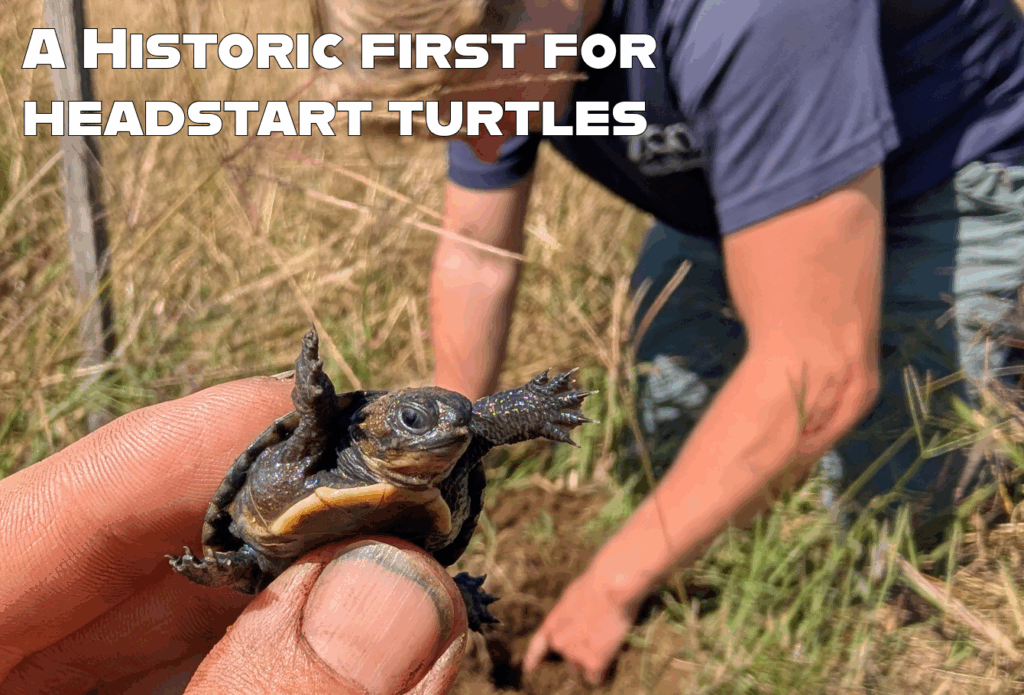
A Historic First for Headstarted Turtles
In June, we celebrated a milestone 15 years in the making: one of our headstarted Blanding’s turtles, raised at Stone Zoo in 2010, successfully nested in the wild. A turtle named Ivy, the smallest hatchling from her clutch, laid eight eggs in a protected wildflower meadow, our first documented nest from a headstarted turtle in the project’s 20-year history. This achievement reflects decades of collaboration among zookeepers, scientists, volunteers, and students, proving that long-term conservation efforts can yield extraordinary results.
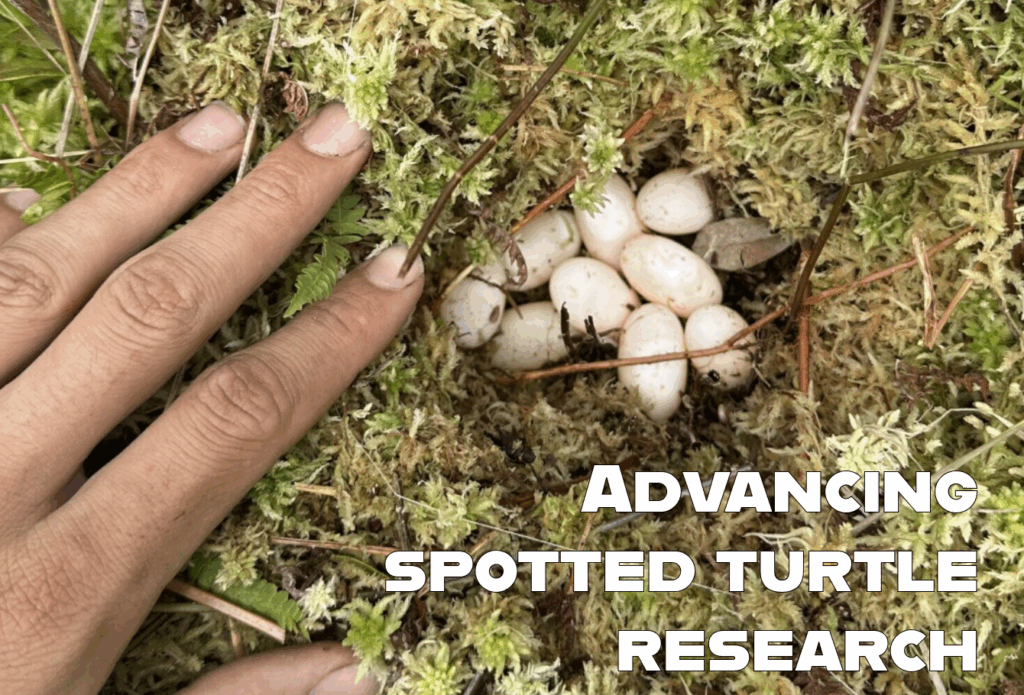
Advancing Spotted Turtle Research
Our team made significant strides in understanding the nesting ecology of the elusive spotted turtle. Using innovative techniques like radio telemetry and thread bobbin tracking, we successfully located and protected six nests across our research sites. Each nest was monitored with temperature and humidity loggers to study temperature-dependent sex determination, a critical factor as climate change threatens to alter hatchling sex ratios.
Rescuing a Resilient Survivor
This summer also showcased the incredible teamwork between our field biologists and veterinary staff. When a Blanding’s turtle was found injured and emaciated late in nesting season, our team acted quickly, transporting her to the Franklin Park Zoo hospital for emergency care. Despite severe trauma and a blocked pelvic canal, veterinarians performed a successful leg amputation and used a novel hormone protocol to help her lay eight healthy eggs. After a swift recovery, she was released back into the wild. Her resilience, and the collaboration behind her survival, underscores why every individual matters in conserving this species.
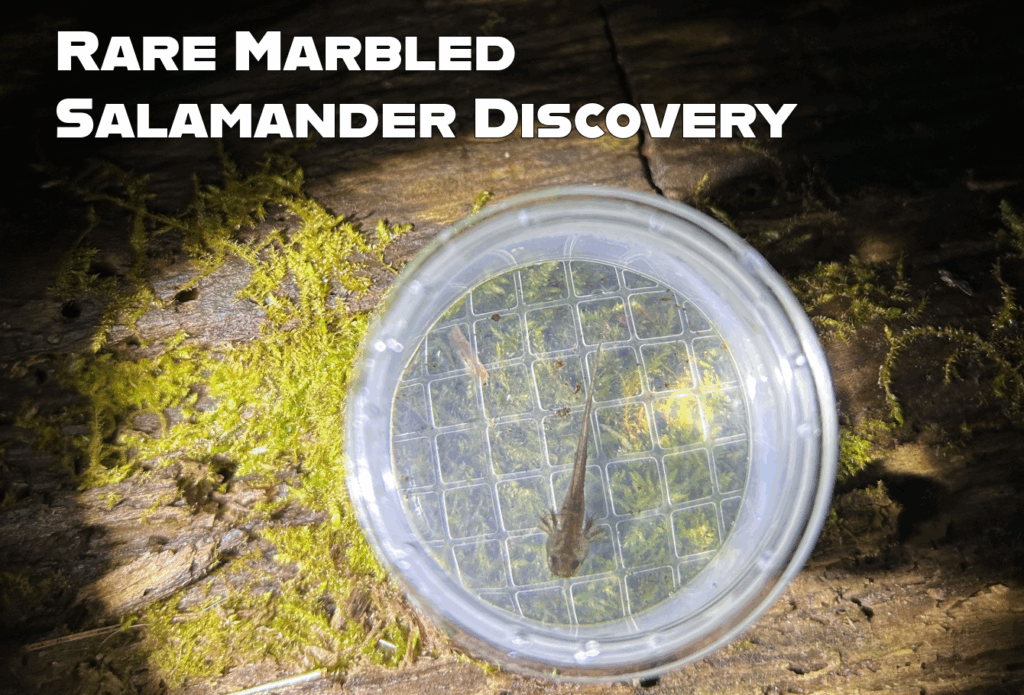
Rare Marbled Salamander Discovery
We documented a rare and exciting find: marbled salamander larvae in New Hampshire. Unlike most amphibians, marbled salamanders lay their eggs in dry vernal pools during late summer or early fall, with females guarding them until autumn rains trigger hatching. These larvae develop under the ice through winter, giving them a competitive edge when spring arrives. Observations like this are critical as climate change threatens their specialized breeding cycle and habitat. Our discovery highlights the importance of monitoring these elusive species and protecting the ecosystems they depend on.
Protecting Pakistan’s Mountain Landscape
We are excited to announce the upcoming launch of a four-year project, supported with funding from the UK government through the Darwin Initiative. This project will help build and support community natural resource institutions in the high mountains of northern Pakistan to protect highly threatened conifer forests and wildlife such as markhor, snow leopards, urial, and the endangered woolly flying squirrel. With a focus on community-led governance for conservation, we expect that the project will build natural long-term sustainability, and we also expect that the 20+ community-designed wildlife conservancies will be formally declared as protected areas, joining the larger Pakistan protected area network. Stay tune for more on this!

These successes remind us that conservation is a long and patient journey, built on science, collaboration, and unwavering commitment. Every nest protected, every animal saved, and every observation recorded brings us closer to a future where wildlife and ecosystems remain healthy and resilient. If you believe in this work and want to help us continue making a difference, please consider making a donation. Your support fuels research, habitat protection, and the hands-on care that keeps these species alive for generations to come.