
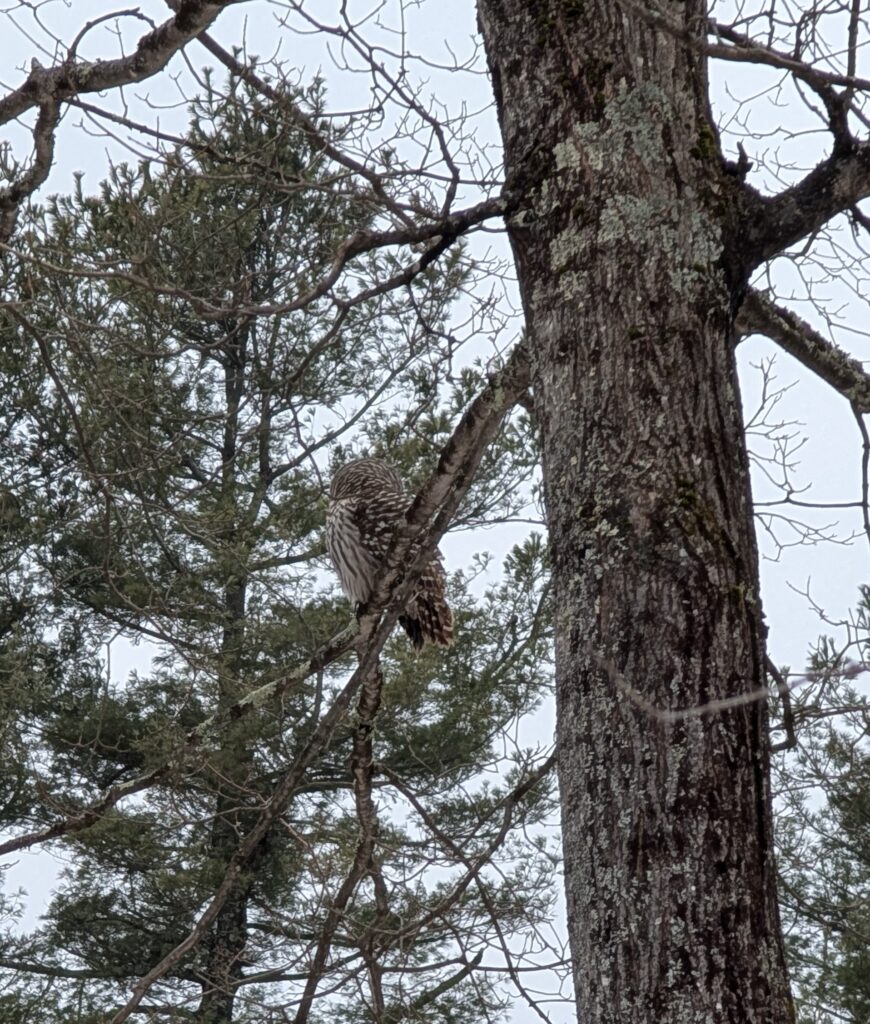
Every winter, thousands of volunteers across North America participate in one of the longest-running citizen science projects in the world. The first Christmas Bird Count was started in 1900 by Frank Chapman as an alternative to the common tradition of a competitive hunt to kill birds on Christmas. Instead, a number of Chapman’s friends went out to census the birds they observed. Since then it has evolved and expanded over the years and is now a multi-national program run by the National Audubon Society. And despite the name, The Christmas Bird Count now runs between December 14th to January 5th each year, with different locations surveyed on different days. Each count day runs from midnight to midnight, so often the most eager and dedicated birders will go out listening for owls in their count area during the night on count day, as owls are often heard calling this time of year during their breeding season.
With 125 years of data across changing landscapes, the Christmas Bird Count has become an invaluable tool for documenting shifts in biodiversity and species ranges. In New England, classic examples of birds previously not seen in our region on Christmas counts are the red-bellied woodpecker and tufted titmouse, which have been shifting northward in range over several decades and now are regularly observed for the count. Conversely, more northerly species that were once regularly observed are now declining, such as the evening grosbeak or redpolls and other irruptive northern finch species. Over 300 peer-reviewed articles have been published using CBC data, many of which explore the role of climate change in shifting ranges for a variety of bird species.
To learn more visit national audubon’s website or to join a count near you, use the CBC map and contact a local CBC compiler and ask to join. Be aware that some counts may be full with volunteers but many others are still looking for new participants to help cover new areas and increase the data collected on bird populations in your area. It is also a great opportunity to meet like-minded birders and naturalists and make friendships through this meaningful bird survey.
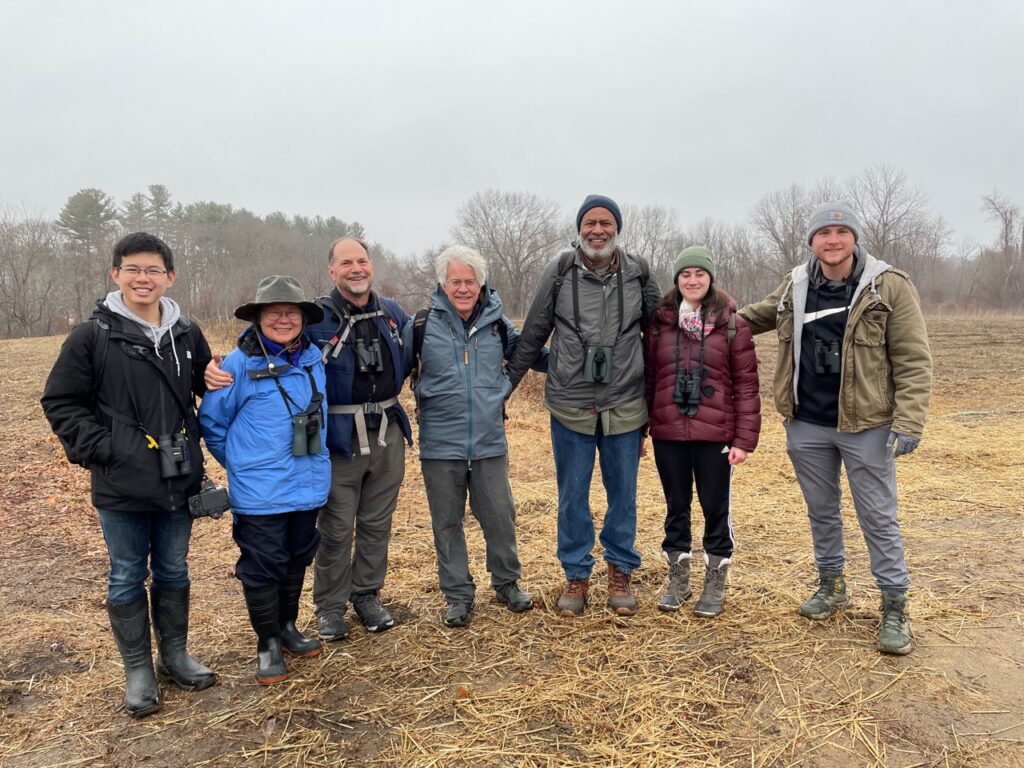
This count is not only providing crucial data on these bird population trends and overwintering biology & behavior but also is a fun motivator for birders to get out in the winter months when people are typically spending less time outdoors or enjoying nature. I have participated in multiple counts that overlap with sites where Zoo New England is conducting rare species conservation efforts and these sites provide crucial habitat not only for species like turtles and salamanders, but also a variety of birds, even in the winter.
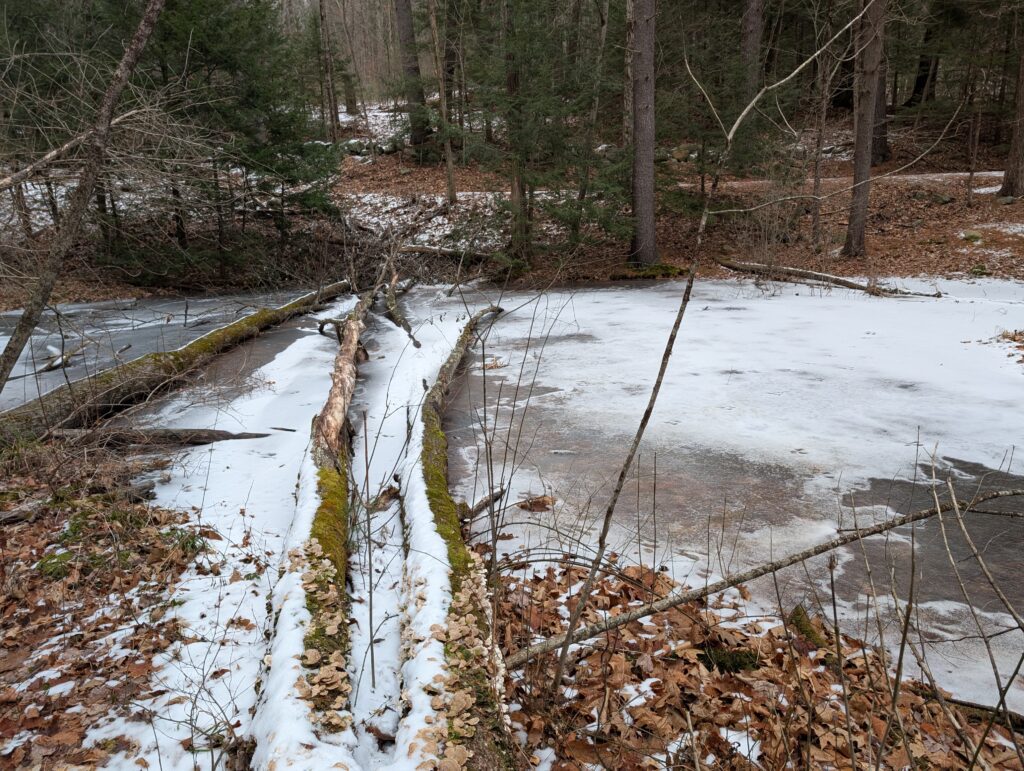

Each year, I enjoy getting out for several CBCs and some exciting highlights from last year were in southern NH where I observed the only lapland longspur, snow bunting and swamp sparrow for the entire count. Every year provides something new and no two counts are alike with changes in ice patterns on wetlands affecting duck counts, rare vagrants being observed or late migratory species lingering in the winter.
So bundle up, grab your binoculars, and join a CBC this winter! Whether you spot a rare vagrant or simply enjoy the familiar winter residents, your count day observations will contribute to this remarkable conservation legacy while connecting you with fellow birders in your community.