
From Boston to the savannas of Africa, conservation takes many forms. Sometimes, it begins with something as ordinary as broken holiday lights.
Zoo New England’s Lights for Lions holiday light recycling program is back! Through February 28, 2026, visitors to Franklin Park Zoo and Stone Zoo can drop off used or non-functioning holiday lights and extension cords in collection bins near the entrances. These materials are recycled through our partners at Speigel South Shore Scrap Metal, and proceeds support Lion Landscapes, an organization working to protect lions and other carnivores in their native habitats.
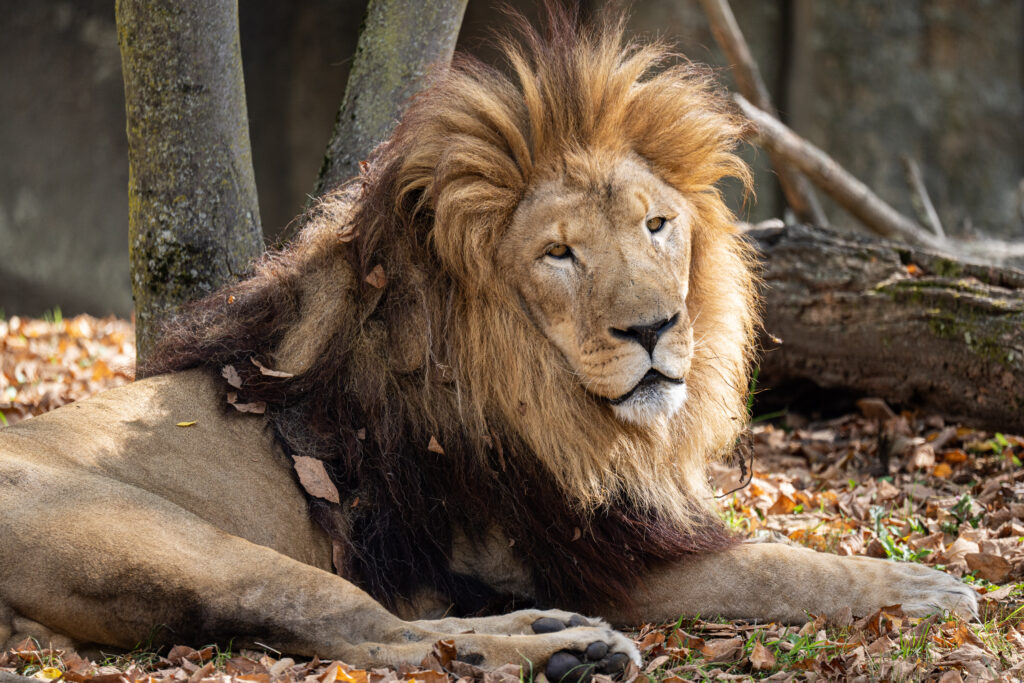
Lion populations have declined by more than 75% in the last 50 years, and their habitat has shrunk by 90%. More than half of the remaining lions live outside protected areas, where conflict with humans is common. That’s where Lion Landscapes steps in, creating solutions that make coexistence possible.
What does that support look like on the ground? This fall, Franklin Park Zoo Education Manager Peter Zampine Jr. traveled to Tanzania to see firsthand how your contributions power real change. His journey revealed the heart of Lion Landscapes’ work and why programs like Lights for Lions matter more than ever.
Founded in 2016 and merging with the Ruaha Carnivore Project, Lion Landscapes works across Tanzania, Kenya, and Zambia to protect lions, African painted dogs, cheetahs, leopards, and hyenas by ensuring that people and wildlife can thrive together. Their approach is deeply community-driven, focusing on reducing livestock losses and preventing retaliatory killings while increasing the benefits of living alongside these iconic species.
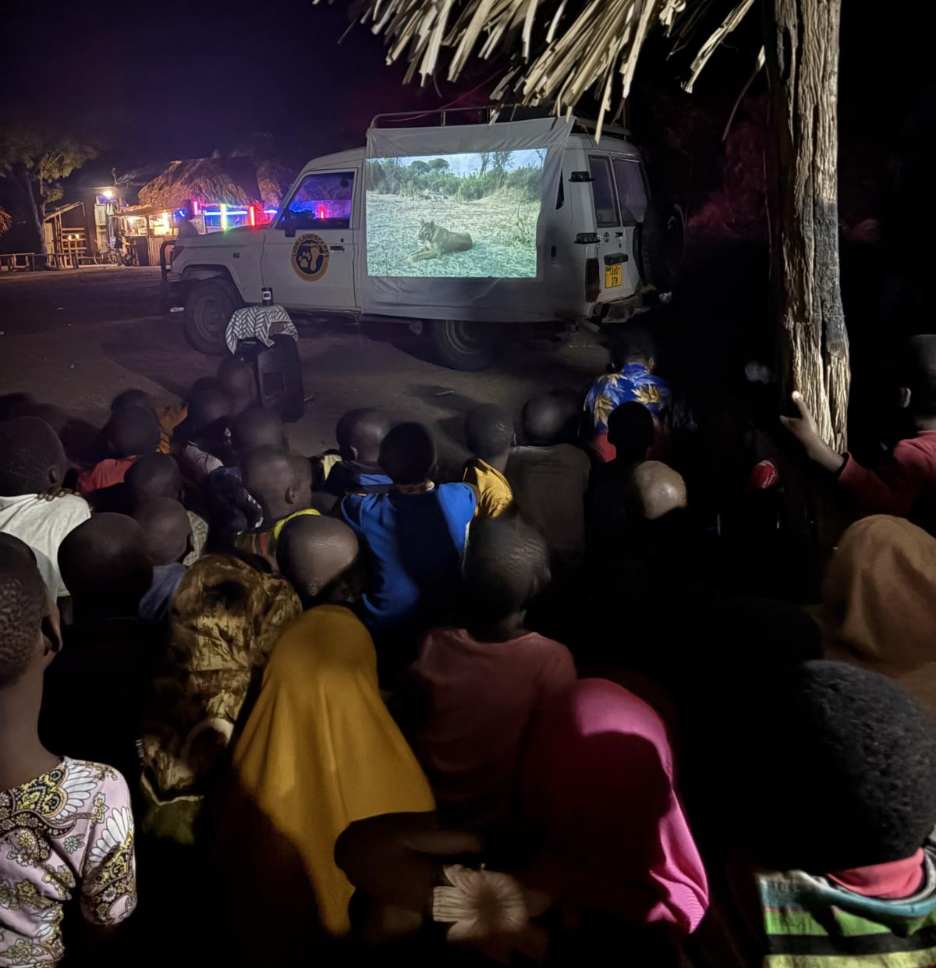
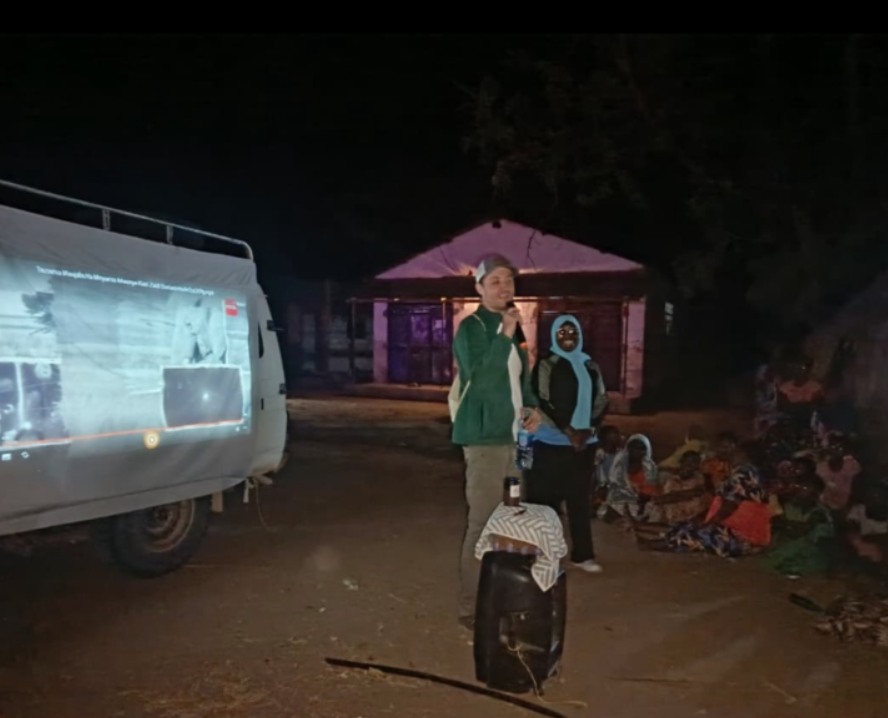
Peter reflected on his visit to Tanzania, “reading about conservation programs is one thing—but standing in the middle of them, surrounded by the people whose lives they touch every day, is something entirely different.” He highlighted joining a Community DVD Night in Mwaseni village, where families gathered under the stars to watch wildlife documentaries. There was laughter, snacks, and an undeniable sense of excitement as people learned why lions and other carnivores matter to healthy ecosystems. At the end of the night, Peter spoke to the crowd about Zoo New England’s commitment to conservation and was met with warmth and gratitude, a moment of shared purpose that he will never forget.
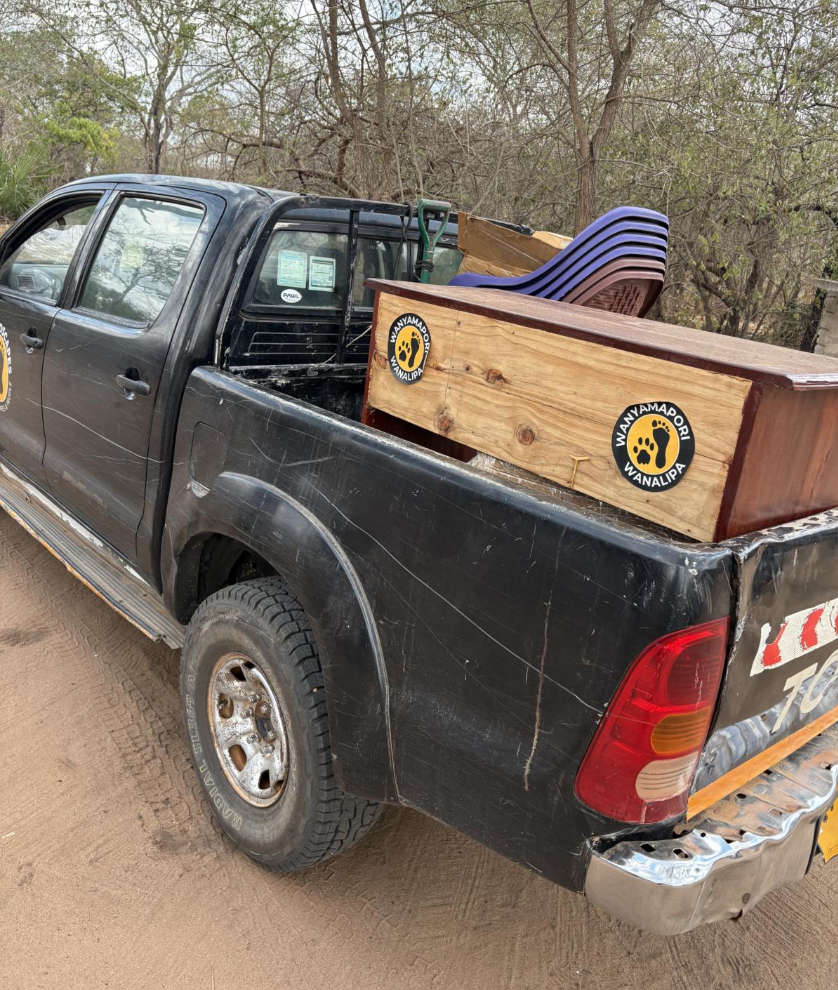
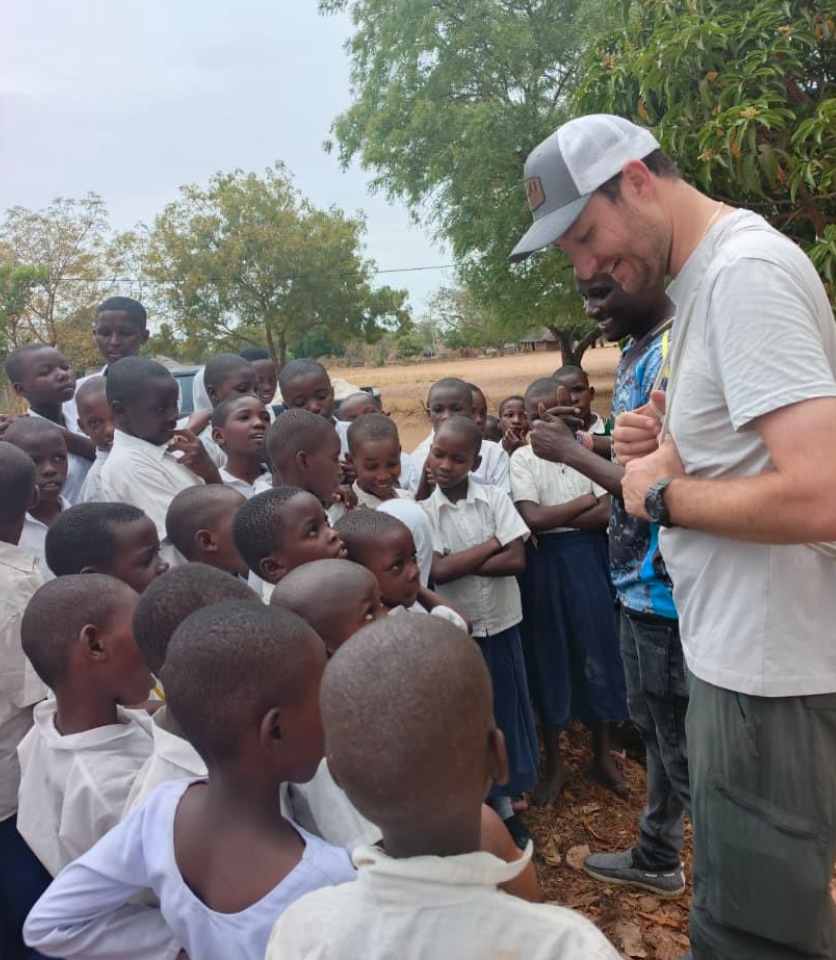
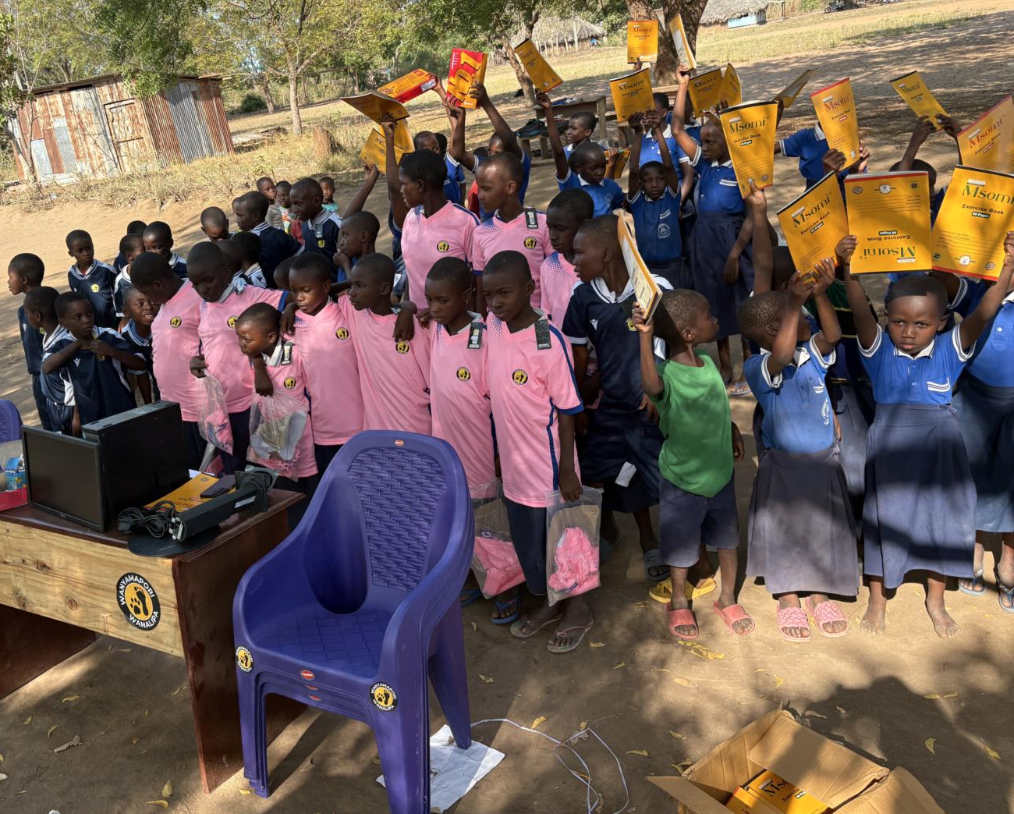
The education continued the following days as Peter visited local schools participating in Lion Landscapes’ academic incentive programs. Students earn points through their school performance, which can be redeemed for supplies like books, soccer jerseys, or even water pumps. The joy when the Lion Landscapes truck pulled into each schoolyard was unforgettable. Children greeted the team with songs about wildlife, proudly chanting a phrase heard everywhere: “Wanyamapori! Jana, leo, kesho!” which translates to “Wildlife! Yesterday, today, and tomorrow!” Moments like these show how conservation is shaping the next generation.

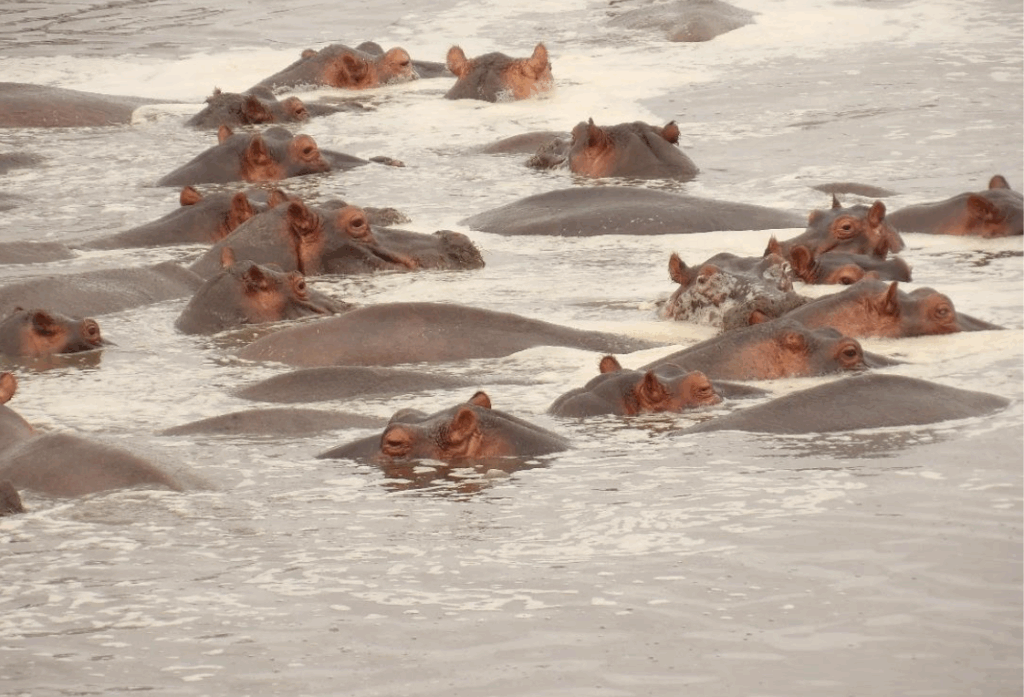
Peter also joined a community trip into Nyerere National Park, where two buses carried villagers eager to see wildlife up close. For many, it was their first time spotting giraffes, hippos, and wildebeest. Even without seeing lions that day, the energy was electric, and the experience left a lasting impression.
Later, Peter spent time with the Barabaig and Maasai tribes, learning about traditional livestock enclosures and modern solutions like solar-powered lights that deter predators. His visit concluded with a vibrant Lion Extension Officer dance event, where music and movement united communities around conservation in a way that felt joyful and deeply meaningful.
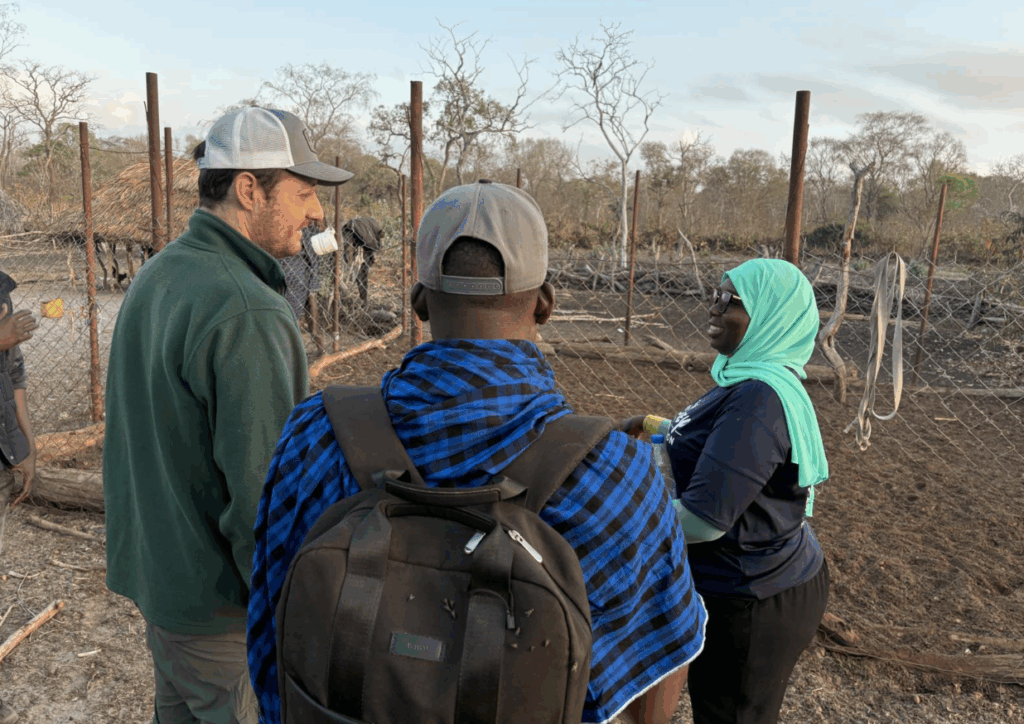
Reflecting on his journey, Peter shared: “Seeing conservation in action—through education, community engagement, cultural connection, and shared experiences—reaffirmed my belief that the work we do truly matters.”
And it all connects back to you. Every string of lights you recycle helps fund programs like these. Programs that protect wildlife, empower communities, and inspire future generations. So, as you pack away your holiday decorations, remember that what may seem like a small action at home becomes a meaningful impact in the field. Drop off your old lights at Franklin Park Zoo or Stone Zoo through February 28!