
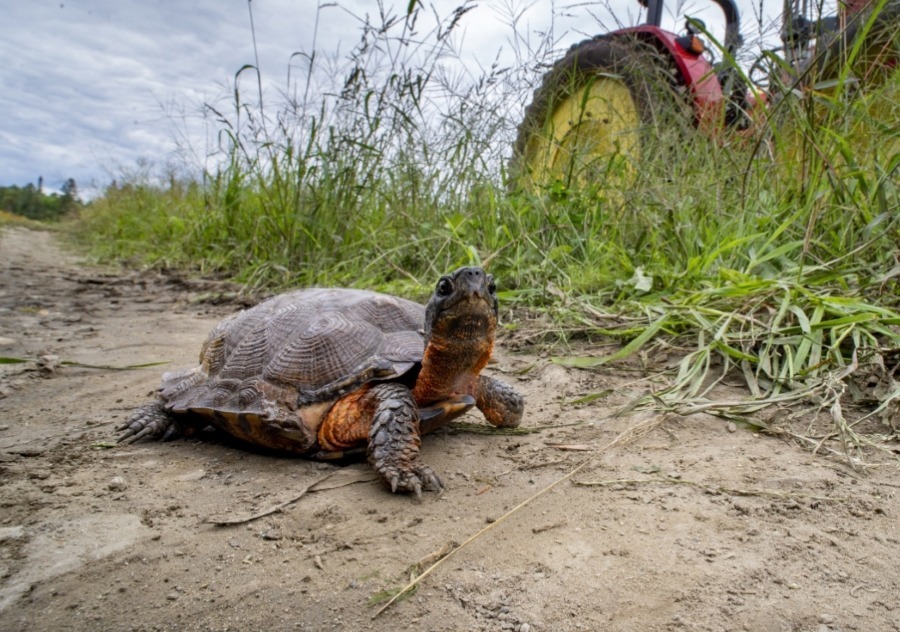
What do you think of when you hear the phrase “conservation land?” Take a moment and picture it. Maybe you think of a famous national park like Yellowstone, replete with herds of bison. Or a dense mangrove swamp in the Everglades, teeming with life. Perhaps you think of something closer to home, like a local forest, with colorful flashes of songbirds flitting through the trees.
What about a corn field? A cattle pasture? Or even a Christmas tree farm?
As strange as it may seem, these places play a huge role in providing habitat for many species. Protected wild spaces like national parks and wildlife refuges are incredibly important, but they only cover a small portion of the country. Two-thirds of U.S. land is privately owned, largely for agricultural use, making collaborating with these landowners an integral part of successful conservation.
How exactly can lands like these stay working and help wildlife at the same time?
Enter “Working Lands for Wildlife” (WLFW), a model for private-land conservation. This program, administered by USDA’s Natural Resources Conservation Service (NRCS), empowers farmers and foresters to improve their properties in ways that benefit people and wildlife alike.
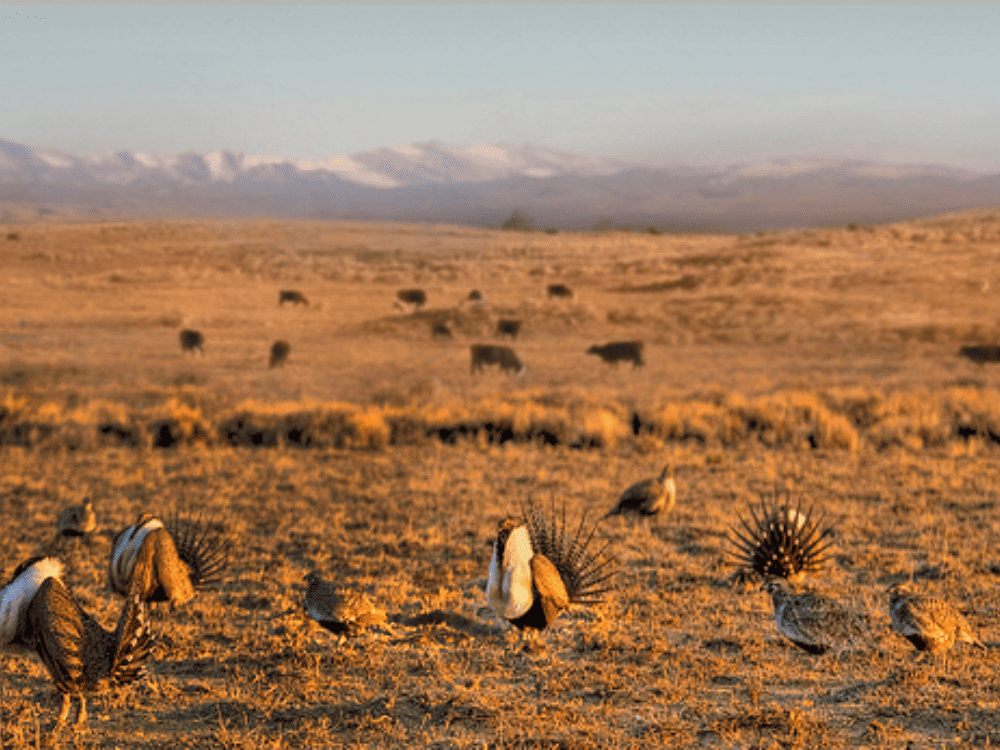
Habitat enhancements can take many forms. In the American West, ranchers and biologists are strategically managing invasive plants and cutting back expanding forests. Their combined efforts have successfully conserved an area more than three times the size of Yellowstone, restoring grazing land for their herds and providing habitat for sage-grouse, pronghorn, and over 350 other species. Across the Appalachians, foresters are establishing diverse young stands of trees, reinvigorating their land’s monetary value while attracting native pollinators and protecting imperiled songbird species like golden-winged warblers. There are even projects happening right here in New England.
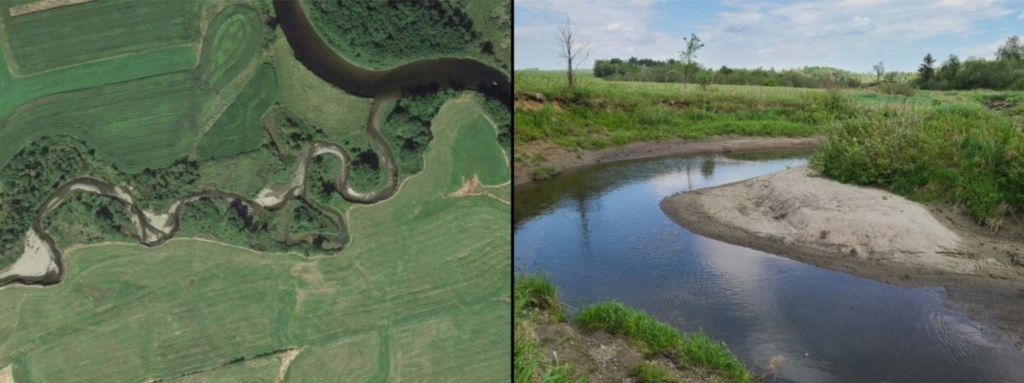
Zoo New England is thrilled to be supporting an initiative especially near and dear to us: Working Lands for Northeast Turtles. We are connecting landowners in priority turtle habitats with WLFW’s financial and technical resources and co-creating individualized conservation plans that enhance land and ecosystem health. Conservation practices can include restoring wetlands, managing invasive plants, and establishing native trees and shrubs to create a buffer zone between fields and waterways. These thoughtful interventions improve water quality, reduce soil erosion, and build resilience against extreme weather events while providing safe habitat for turtles and other wildlife.

Freshwater turtles spend most of their time in wetlands, but they move between waterbodies seasonally, and females must find safe places to lay their eggs. Species like the Blanding’s turtle regularly travel more than a mile overland. We can make these journeys safer by modifying or removing dams and culverts, increasing wetland connectivity and creating attractive corridors for safe wildlife travel. We can also create nesting areas close to wetlands to mitigate danger, especially on private lands, as such interventions tend to be diminutive (imagine converting old log landings or clearing unused space between wetlands and nearby crops). Tiny adjustments can improve the functionality of working lands AND make it less likely that turtles or their nests will be crushed under the treads of tractors.
Species like the wood turtle range across forests, fields, and floodplains as they forage. Turtles often choose to move through agricultural fields, where crops serve as protective cover while they forage for slugs, worms, flowers, and fruit. However, they risk being injured or even killed by farming equipment. Luckily, financial assistance can help farmers in wood turtle habitat implement safer practices like mowing their fields when turtles are dormant, or raising tractor blades high enough to pass over wood turtles instead of through them. By making small adjustments, landowners can maintain the efficiency of the land while conserving wood turtles and functional ecosystems.
Let’s revisit the idea of “conservation land.” Maybe now the idea of a corn field or a cow pasture as part of a conservation plan doesn’t seem so far-fetched.
That’s the beauty of balanced solutions like these: they allow us to change how we think of conservation and who will benefit from it. This program provides support for landowners to continue working the lands their families have for generations, strengthening local food networks and boosting community health. Together, we can provide habitat for turtles and other wildlife, ensuring that just like the farms, our legacies will last for generations to come.
We can help you identify restoration opportunities and work with NRCS partners to develop a plan that aligns with your goals. Whether you manage a small woodland parcel or a large agricultural operation, even modest improvements can make a lasting impact for both wildlife and working lands.
For more information or to schedule a site visit, contact us at fieldconservation@zoonewengland.org
Leave a Reply