From late May through June, it’s prime turtle nesting time! For our team, that means our mission each day is to find and protect as many nests as possible. The exact approach varies depending on the species and the location (we dive deeper into those strategies in our blog The Search for Nesting Turtles), but the goal is always the same: to give each clutch of eggs a better chance of surviving, a headstart in life.
In honor of World Turtle Day, I want to follow the journey of one of those turtles.

It begins on a warm evening when we finally spot her, an adult female making her way onto land. We keep our distance, watching quietly as she searches for the perfect place to nest. When she finally finds it, she begins to dig and, eventually lay her eggs. Once she’s finished, she carefully buries them, leaving them hidden beneath the soil. Then without looking back, she returns to the safety of her wetland, her role complete. Trusting that the nest she chose will carry her young through to hatching.
But the odds are not in their favor.
Even under ideal conditions, very few turtle eggs survive to adulthood. Today, those chances are even slimmer. Habitat fragmentation, road mortality, poaching, pollution, and climate change have all contributed to declining turtle populations worldwide. The delicate balance that has allowed turtles to persist since the time of the dinosaurs is now under strain. If human activity plays a role in their decline, it must also play a role in their recovery.
That’s where we come in.
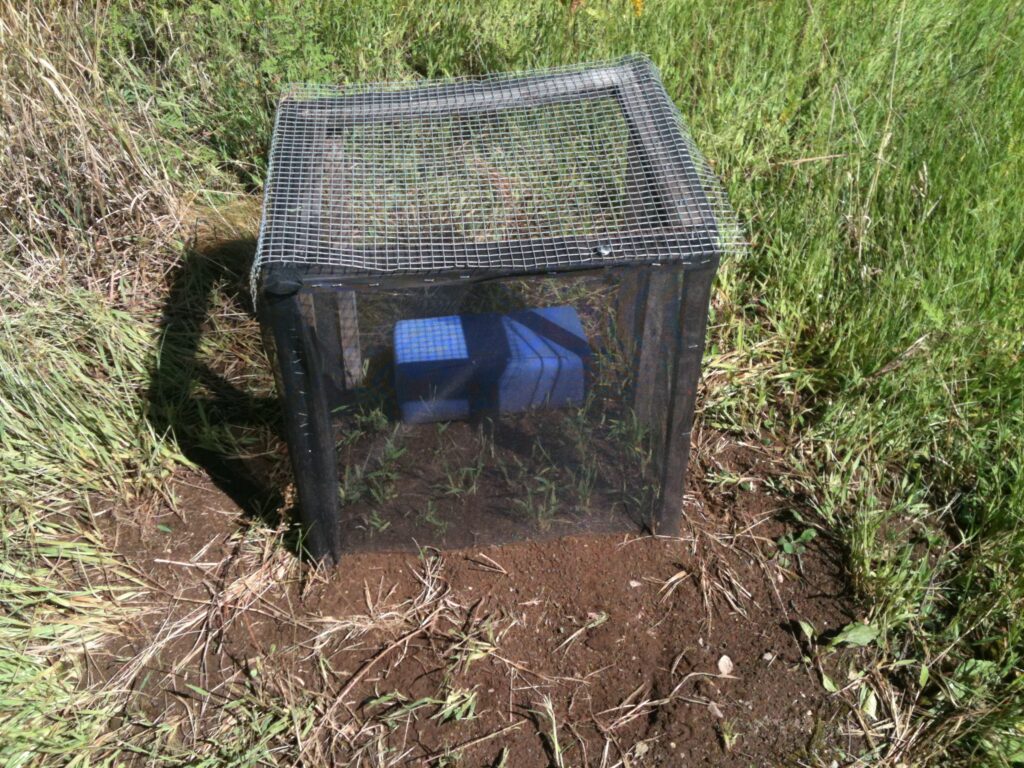
As soon as the mother begins her journey back to the water, our team steps in to protect the nest. We install a protective cover to guard against predators, ensuring the eggs remain undisturbed during incubation. Weeks later, as hatching time approaches, we replace that cover with a carefully designed enclosure, giving the hatchlings a safe place to emerge when the time comes.

And then, one day, it happens.
Tiny, perfectly formed turtles begin to break free from their eggs and push their way up to the surface. For the first time, they experience the world above ground. Sunlight, fresh air, and open space, all within the safety of the enclosure. Around this time of year, our team checks nests daily, waiting for that moment when we arrive to find hatchlings have emerged.
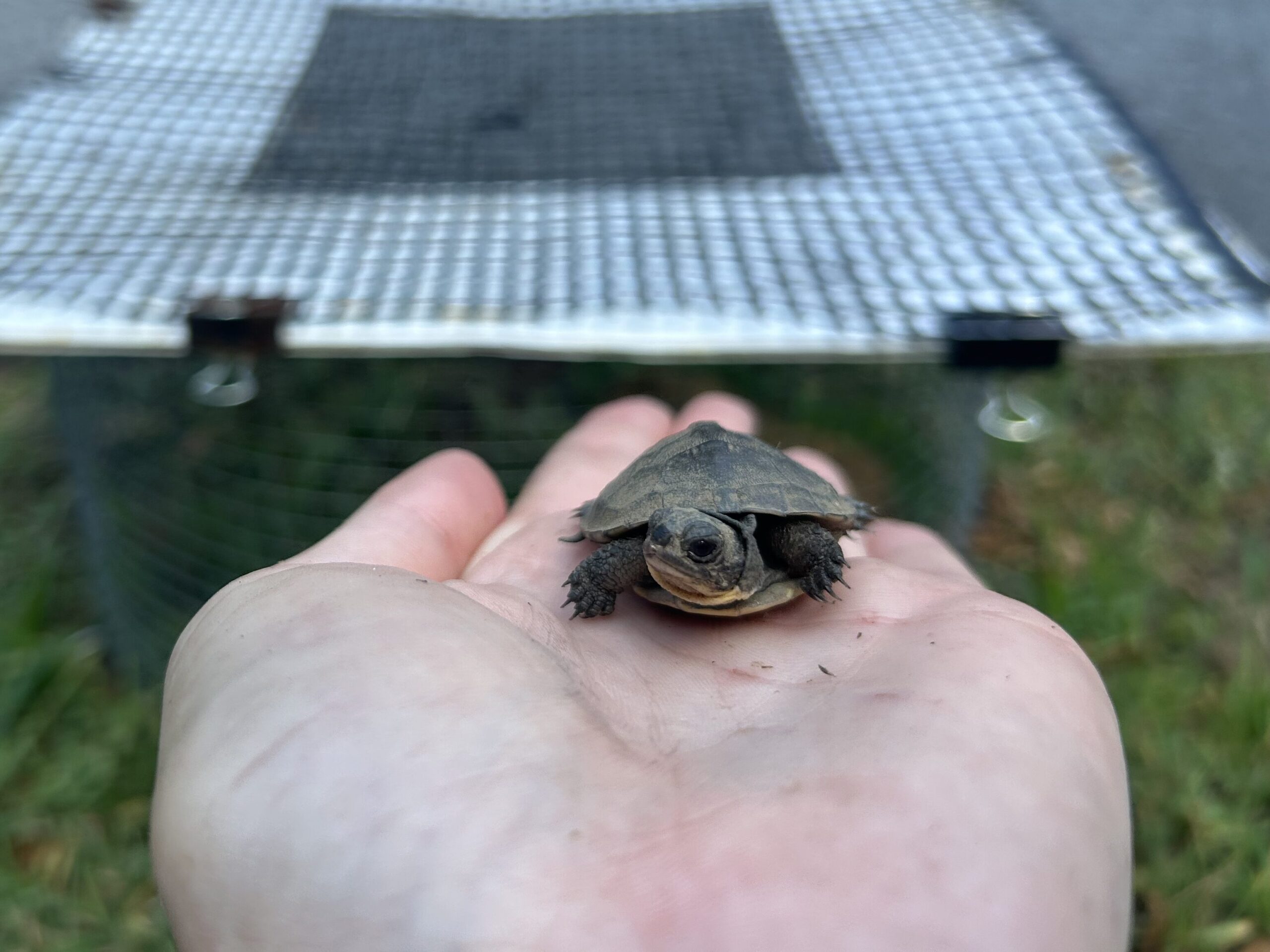
Those hatchlings are then brought into our care, where we record measurements, assess their health, and prepare them for the next stage of their journey.
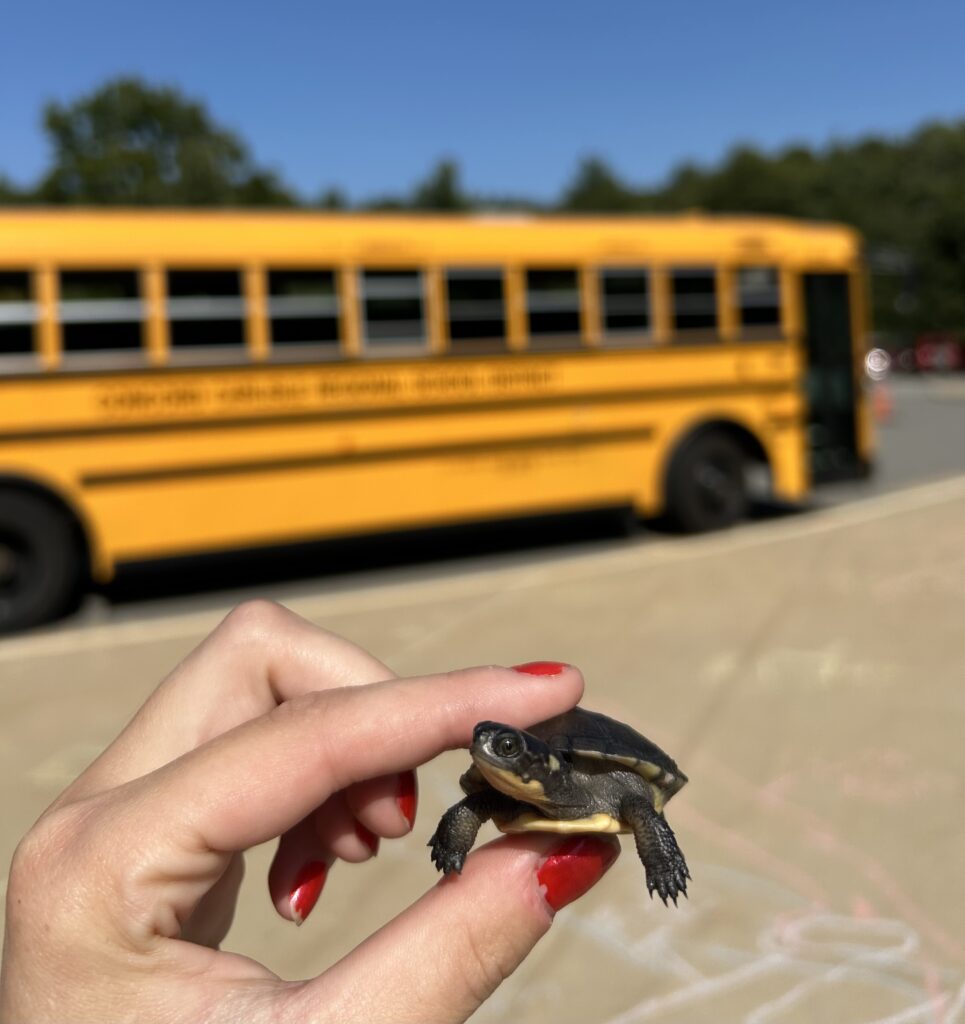
In early fall, they meet their new classmates.
Placed in local school classrooms, these turtles become living ambassadors for their species. Students learn about conservation not just from textbooks, but through direct connection. Watching these turtles grow day by day, while gaining a deeper understanding of the wildlife in their own backyard.
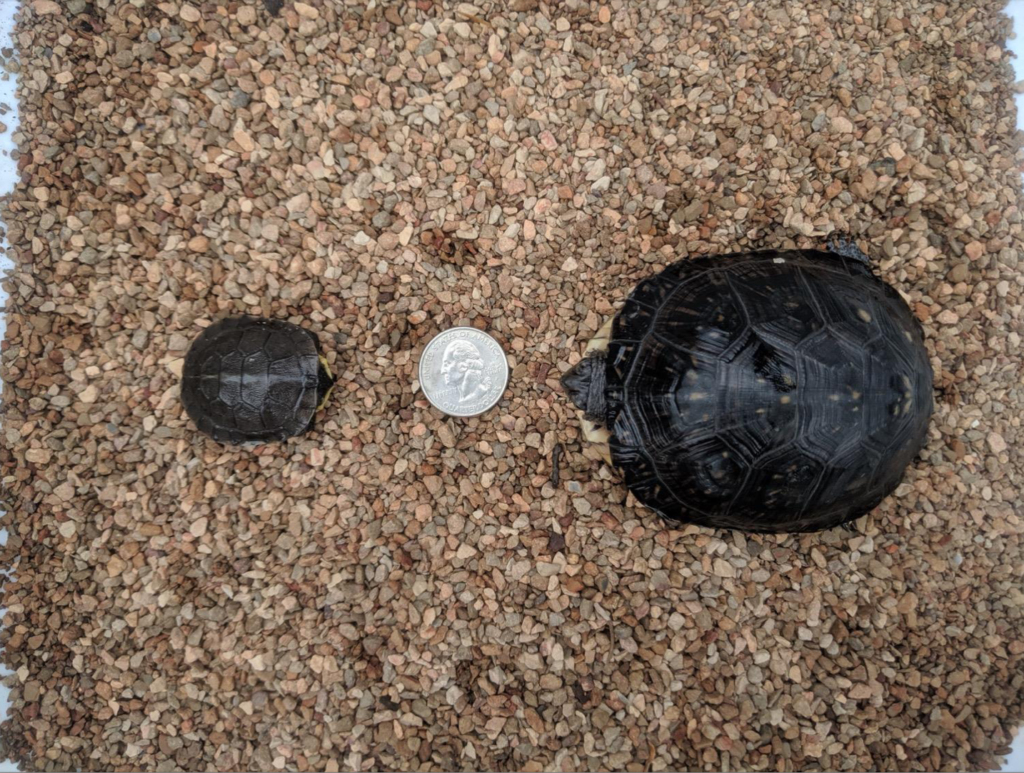
Over the course of the school year, the tiny hatchlings that were once no larger than a quarter grow to the size of a cheeseburger. Though it seems like a small change, in the wild it can make all the difference between surviving and not.
By May, as the school year winds down, it’s time for the final chapter.
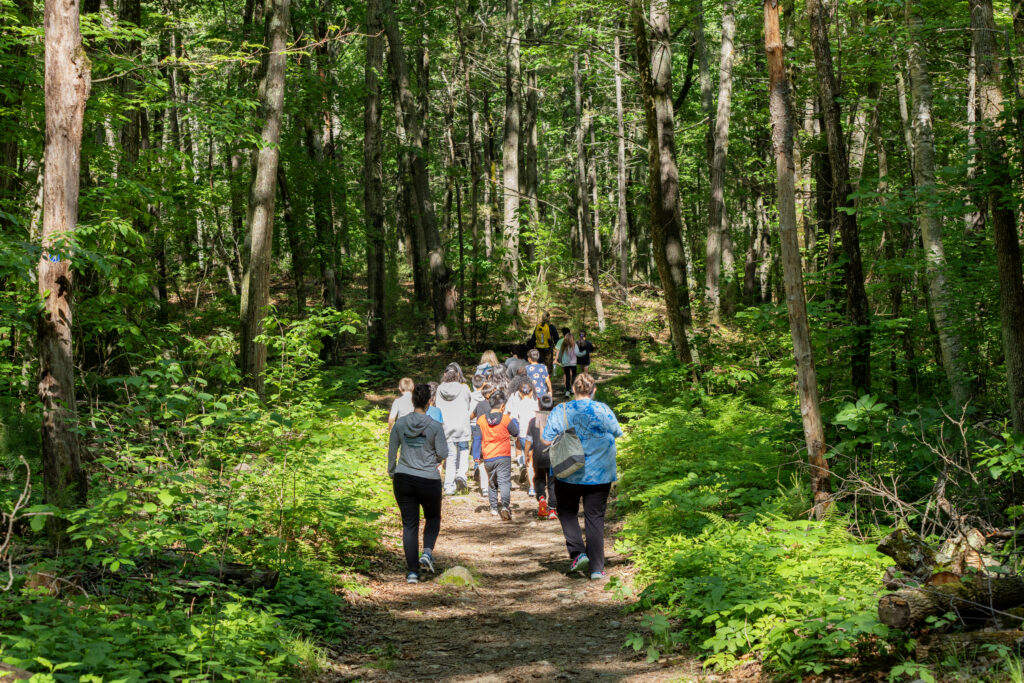
The turtles, now stronger and more resilient, return to where their journey began. A big yellow school bus pulls up, and students pour out, filled with excitement, carefully carrying their turtles and anticipating their release. Together, they walk through the habitat, the same place where those nests were protected months before. The students say their final goodbyes and the turtles are released back into their natural environment, beginning their lives in the wild with a far greater chance of survival than they would have had before.
At the end of the field trip, only the students return to the bus, but they carry with them something lasting: a meaningful connection to these turtles and their wild habitat, and a deeper understanding of the role we all play in protecting them.