
Zoo New England is very excited to announce a brand-new field conservation project! This is a four-year initiative, starting in April, 2026, that will focus on community-led conservation in the mountains of Gilgit-Baltistan, Pakistan. This project is supported with funding from the UK government through the Darwin Initiative.
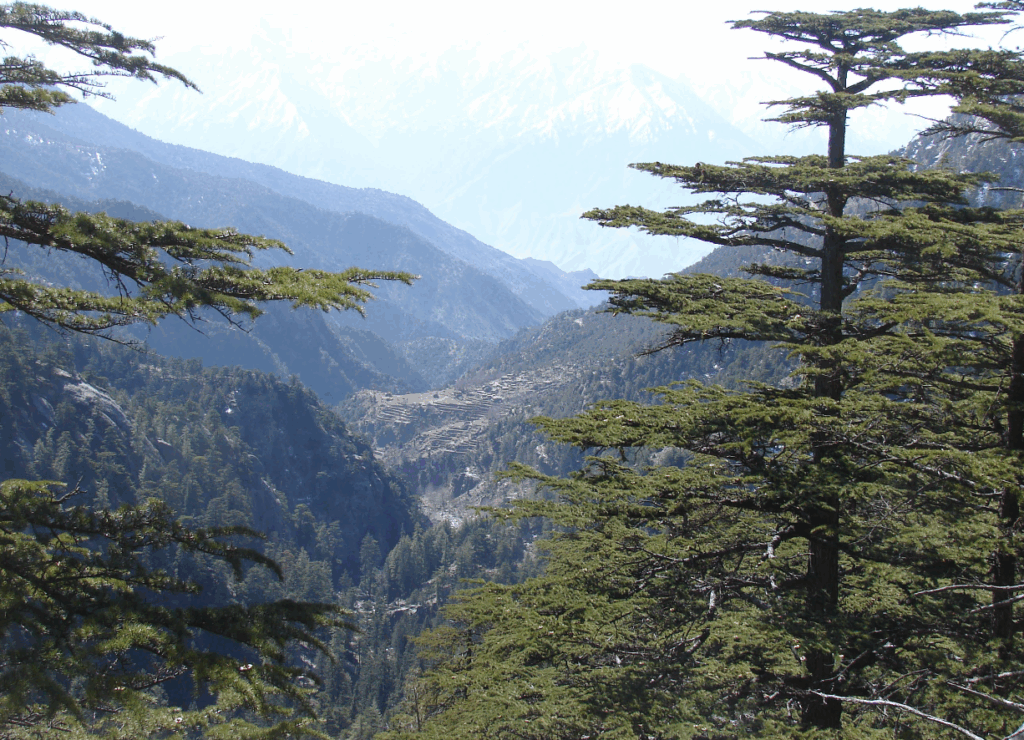
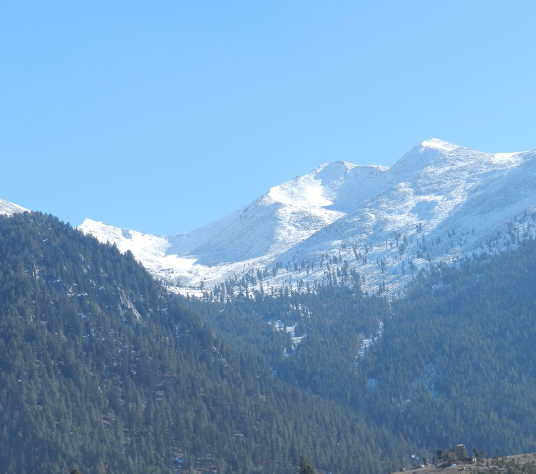
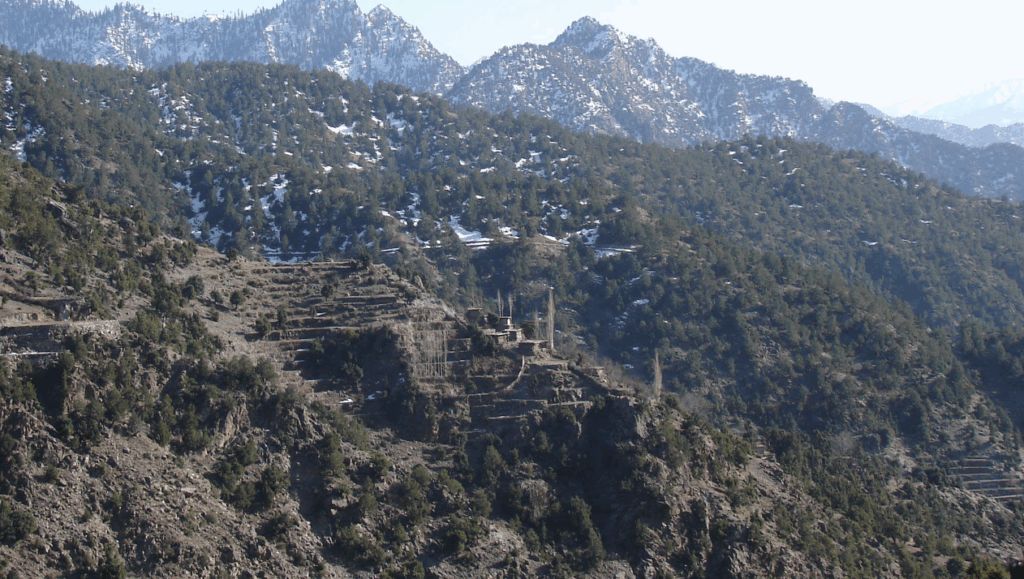
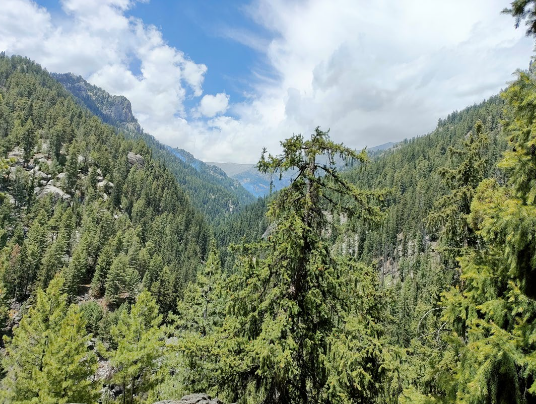
For a number of years, after my work studying the woolly flying squirrel led me to realize that there was an environmental catastrophe happening in the region (see this blog for background), I cobbled together a series of small grants that enabled me and a small local team to help build new natural resource governance institutions for communities in the mountains of northern Pakistan. This is an incredibly vertical landscape, with over 100 mountains that soar over 20,000 feet in elevation, and many others near that height. Historically communities were defined by the watersheds they called home, steep valleys with streams tumbling from the glaciers down into the Indus River, which has carved out a deep canyon through the region. In these valleys villagers carved out little gardens from the cliffsides, and raised sheep and goats, taking them into the high pastures during the summer months before the snows came.
This is mostly a Tribal Area, meaning local people own the land and the resources. It also means they are fiercely independent, with historically little involvement with the Pakistan Government or really any outside agencies. Unfortunately a growing population, coupled with an influx of modern weapons made available from nearby conflicts, meant that the conifer forests that blanket these mountains, and the wildlife that live there, were both rapidly disappearing.
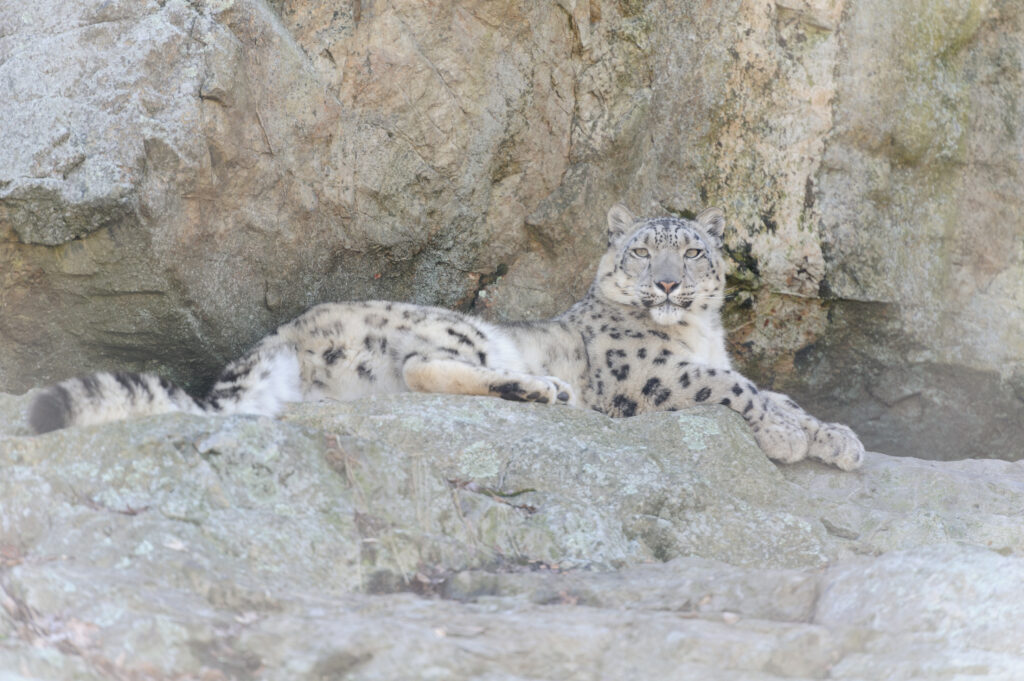
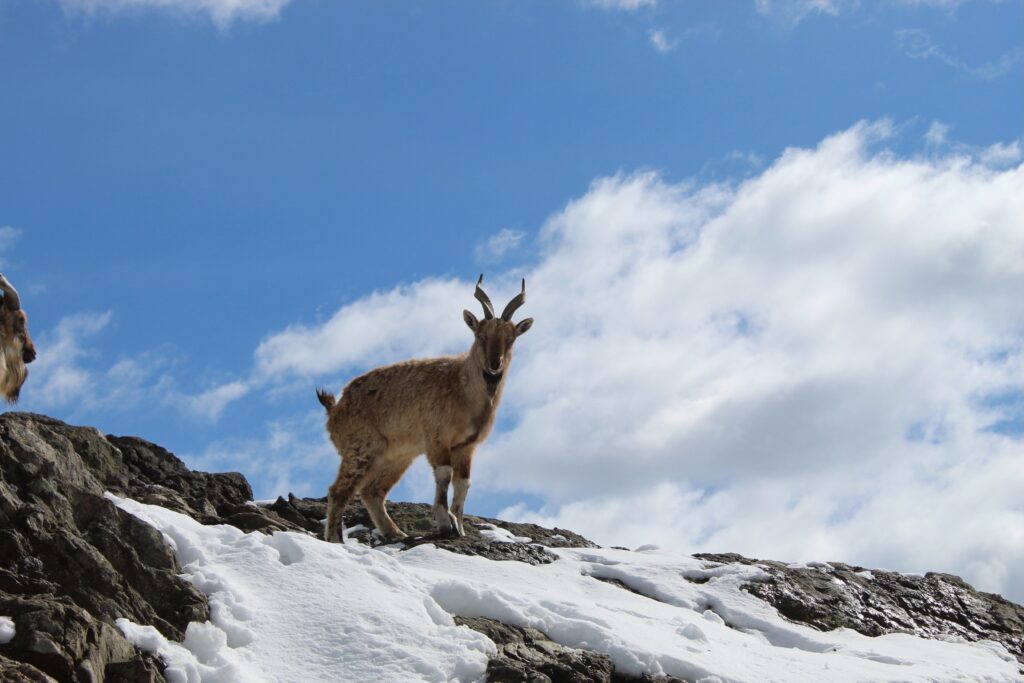
The project I started was aimed at helping these communities solve this environmental crisis – they recognized the problems, but were unsure how to respond. A number of communities agreed to create new resource institutions, with bylaws about tree harvesting and hunting of wildlife. They agreed to assign members of their communities as volunteer rangers, who would make sure that the rules were followed and who would also survey for wildlife – especially the beautiful but rapidly disappearing flare-horned markhor, the National Animal of Pakistan and a cultural icon in these mountains, but one that was endangered and rapidly declining (see our markhor at Stone Zoo!).
The project rapidly grew from 23 communities to 65 as others saw how well this was working and clamored to join. We also helped create over 20 multi-community conservancies – communities joining together to protect forests and wildlife over a wider area. (A community’s land is defined by the valley slopes on either side of the watershed, but for a markhor, each slope is just one side of a mountain – and nobody wanted herds to wander over to the other side and get shot out by another community!)
Sadly this program – which saw the population of markhor go from rapidly declining to doubling in number in a little over a decade – was closed shortly after I left it in 2018. During the intervening years, without the catalyst of meetings and trainings, many of these resource institutions went dormant.
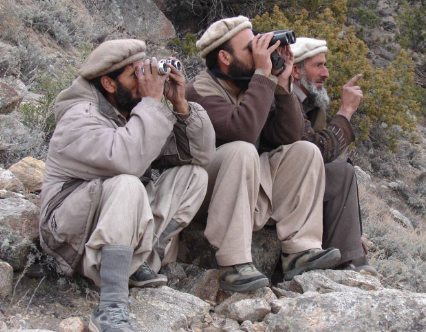
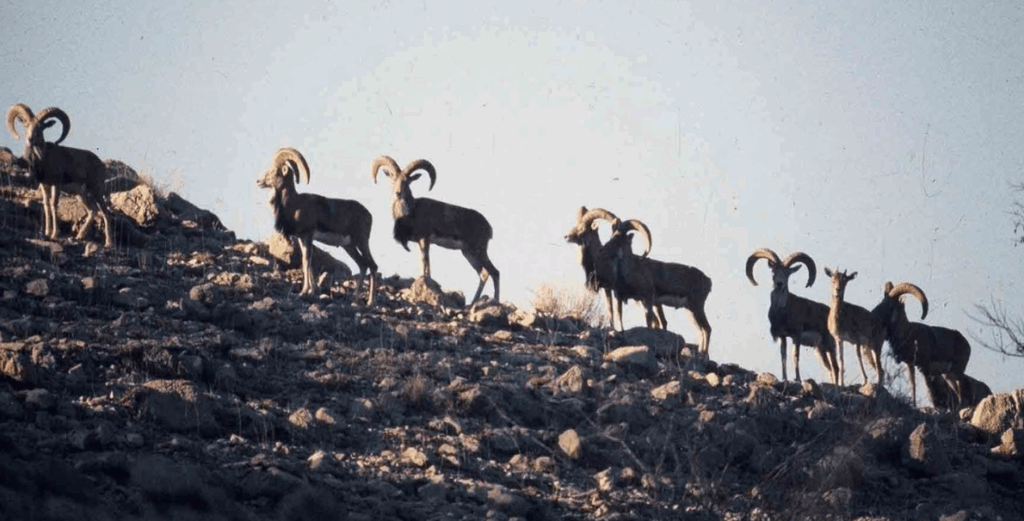
This new project will re-catalyze these institutions, create new ones in new communities, and focus on the protection and recovery of forests and wildlife. This includes the markhor, the urial (a small wild sheep, previously thought to have become extinct in this area), the snow leopard, and the woolly flying squirrel (of course!), along with a wide variety of other species found in this region. We expect to re-start the ranger program, link the community rangers with the government wildlife department for joint surveys, review and revise bylaws and conservancy Action Plans, and have them approved by the government. We expect that at the end of the four years, all 20+ conservancies will be ratified as formal Category VI Protected Areas (a status that allows multiple use and community management), and thus join national parks and other official areas as part of Pakistan’s protected area network.
Stay tuned for updates once this exciting project is up and running!
