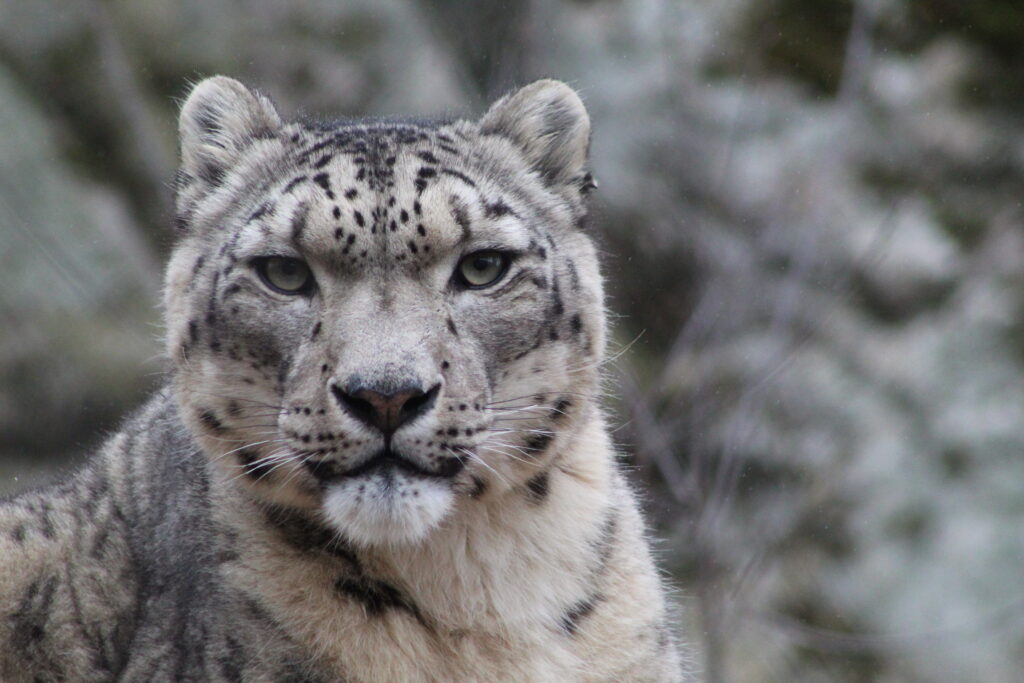
I am very pleased to announce the new Sabin Snow Leopard Grant awardees!
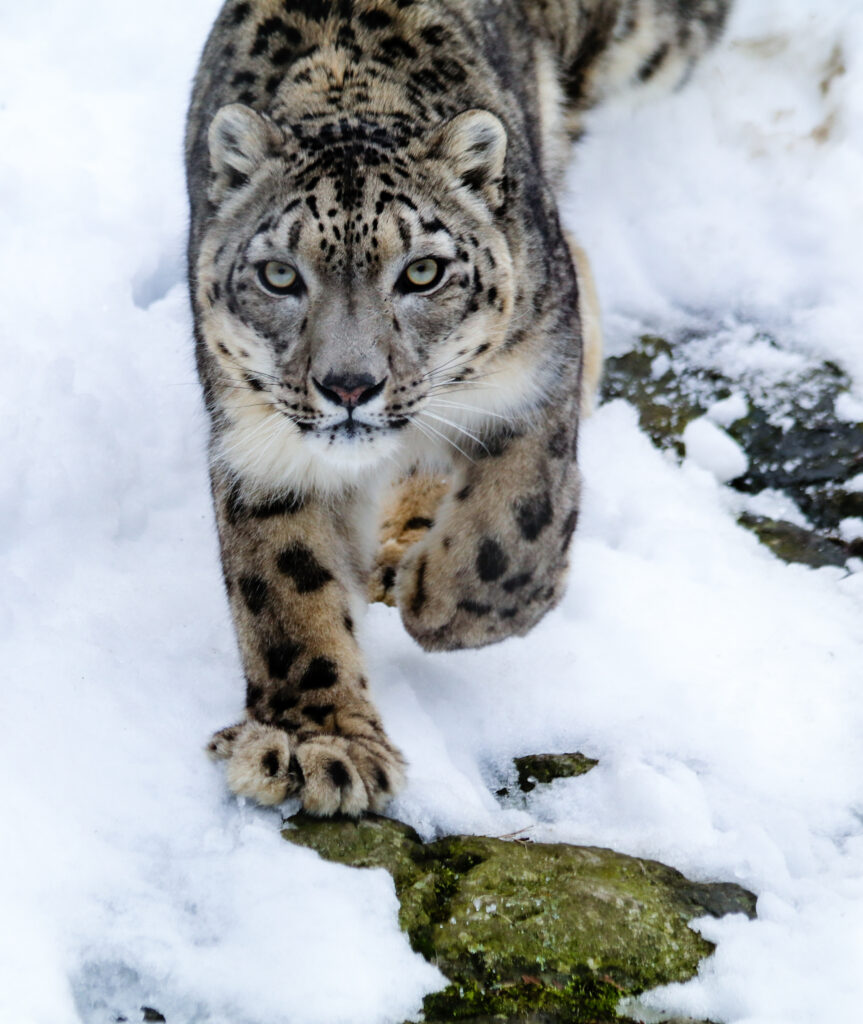
Each year Zoo New England provides competitive grants to conservationists performing research on or helping to protect snow leopards in their range states in Asia. Snow leopard distribution extends from the southern Himalayan highlands along Nepal, Bhutan, India, and Pakistan up through the mountains of Central Asia, across much of western China, and even into Mongolia and Russia. Across this enormous region they are listed by IUCN as Vulnerable, and they face threats ranging from poaching for their pelts, retaliatory killing by herders worried about livestock loss, border fences blocking their movement and the migration of their prey (mostly wild mountain goats and sheep), and climate change impacting their fragile high-mountain home.
This year Zoo New England, with the support from the Andrew Sabin Family Foundation, is proud to award six grants to conservationists across the region for the following projects:
Still Wild or Human Altered? Assessing the Status of Snow Leopard and its Wild Prey after Four Decades in Langu Valley, Mugu, Nepal
This project will look to assess the status of snow leopards, their prey, and the communities in the same valley where the first-ever radio collar study of snow leopards occurred (by Dr. Rodney Jackson) 40 years ago. This new project will be the first time anyone has looked into what has been going on in this area since Dr. Jackson completed his seminal study.
Building Local Capacity for Ethical Snow Leopard Tourism and Waste Management in Kibber, India
In a region with high in-country tourism and related negative impacts, this project will build long-term community led snow leopard conservation by empowering local youth with professional skills in ethical wildlife guiding, data collection, environmental stewardship and responsible tourism management.
Strengthening Snow Leopard Monitoring and Conservation in Khork Serkh Mountains Range, Western Mongolia
This project will engage local herder families in the isolated Gobi-Altai Mountains on community-based carnivore monitoring to document predator presence, livestock depredation, and strengthen wildlife stewardship. This will empower communities by improving their understanding of snow leopard ecology and reduce the actual impacts on livestock.
Women for Snow Leopards, India
This project looks to empower local women in the high Himalayas to monitor and protect snow leopards. The project will train local women as conservation practitioners, generating high-quality, site-specific camera trap data on snow leopards and their prey, while helping to minimize conflict by changing perceptions around snow leopards and other wildlife.
Reducing Human-Snow Leopard Conflict through AI-Generated Awareness Communication, Afghanistan
This project will develop, with the help of local communities and using artificial intelligence, a short video tutorial to disseminate, in the local language and in an accessible way, recommendations for better protecting livestock in family enclosures. This initiative will help reduce the risk of retaliation and killing of snow leopards by protecting household livelihoods and, ultimately, strengthen peaceful coexistence between human populations, their livestock, and snow leopards.
Predators and Pastoralists: Understanding Conflict in Kyrgyzstan’s Snow Leopard Landscapes
This initiative will look into snow leopard depredation of livestock in the Kyrgyz Tien Shan Mountains; determine whether livestock loss is in fact caused by snow leopard or other predators (e.g., wolf, lynx, brown bear); assess pastoralist attitudes and coping mechanisms; and offer mitigation strategies to avoid livestock losses and improve coexistence.
Zoo New England is proud to be supporting these excellent scientists and their exciting projects, and we look forward to hearing how the projects go as the year plays out.