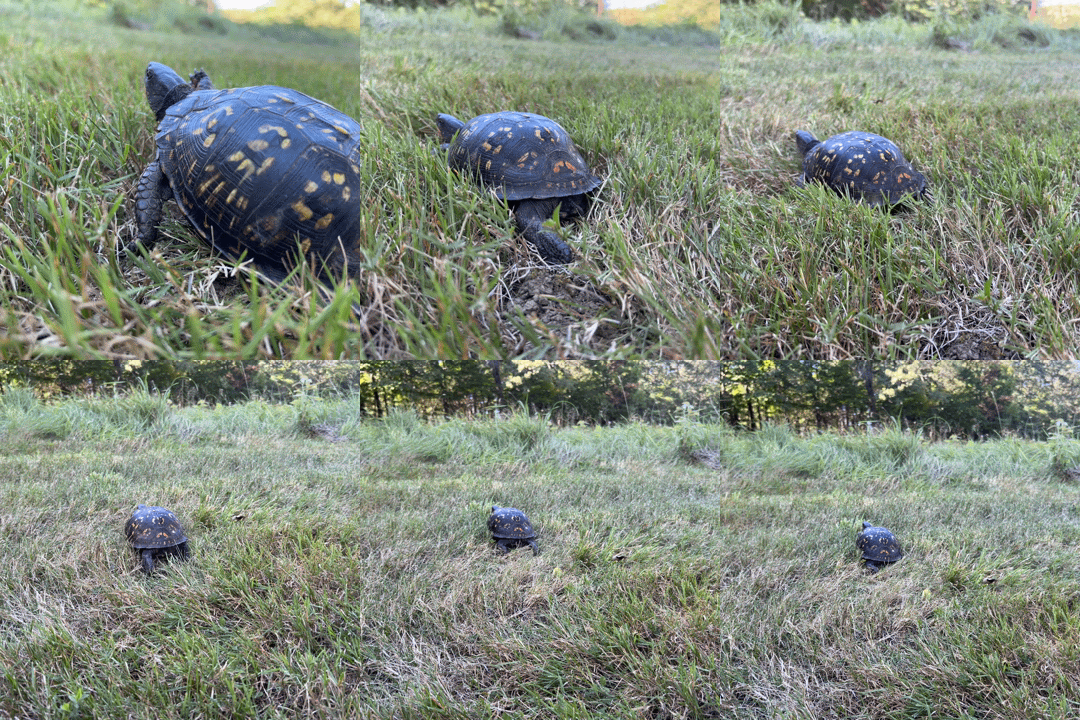
As spring starts to bloom this year, you may feel the urge to tidy your lawns, but we’re encouraging you to think twice about mowing this May! Delaying the first mow can make a meaningful difference for local wildlife. No Mow May encourages people to let their lawns grow just a little longer…. as that short delay can provide critical support for pollinators and other animals waking up after winter.
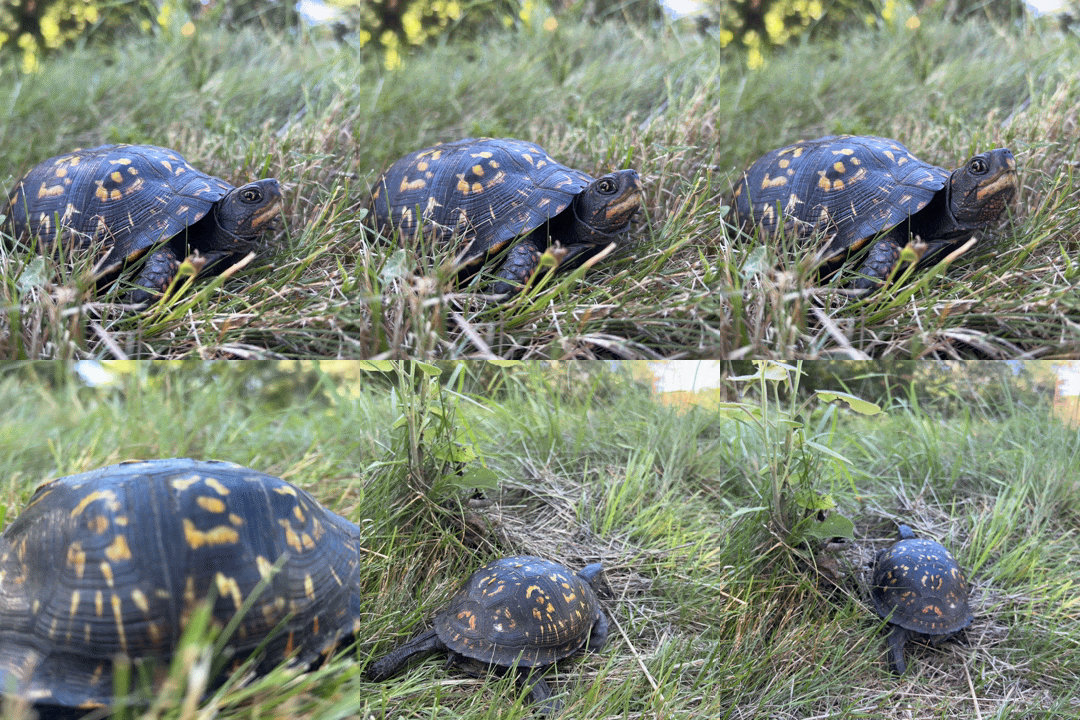
Spring is a demanding season for local wildlife. Animals are emerging from winter with low energy reserves, returning from migration, or beginning to nest and raise young, all while contending with unpredictable weather and limited food. During this vulnerable window, routine human activities like early mowing, yard cleanup, and landscaping can unintentionally remove the shelter and resources wildlife needs to recover and reproduce.
This is especially true for bees, butterflies, and other pollinators. Early spring offers few flowering plants, making it difficult for pollinators to find the nectar and pollen they rely on for fuel. Allowing lawns to grow gives early-blooming plants such as dandelions, clover, and violets time to flower, providing a crucial food source just when pollinators need it most.
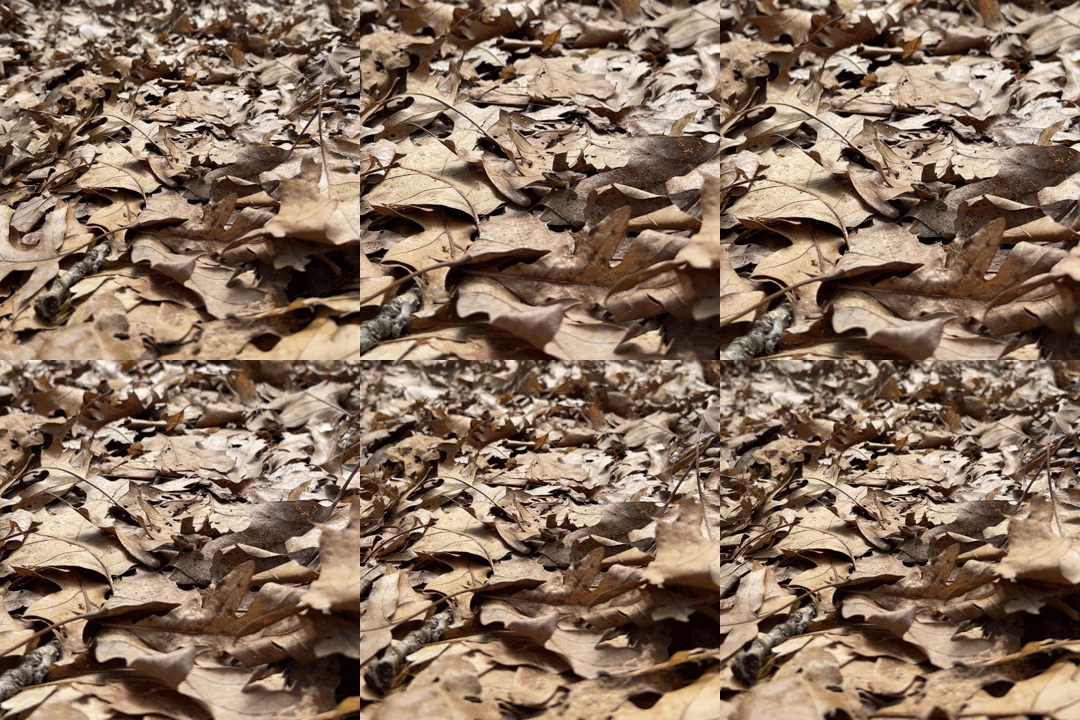
Letting grass grow also improves habitat for many other species. Taller vegetation offers protection from predators and harsh conditions for frogs, birds, insects, and small mammals. Field mice, meadow voles, and shrews depend on longer grass and groundcover to move safely while foraging, while dense vegetation provides nesting material and insulation during cool spring nights. Eastern cottontail rabbits use taller grass to hide young, and chipmunks benefit from the increased insect activity and seed production that result from less-disturbed lawns. By delaying mowing, we preserve vital cover and help wildlife navigate one of the most vulnerable times of the year.
Beyond wildlife, pausing the mower supports healthier soil. Allowing grass to grow a bit longer also makes lawns more resilient during dry spells, as taller blades shade the soil, keep it cooler, and reduce moisture loss. Leaving your grass longer in the early spring encourages deeper roots, which improve water retention and reduce erosion. Over time, a less-manicured lawn can actually become more resilient and require less maintenance.
Participating in No Mow May doesn’t mean abandoning lawn care, it’s simply about timing. By waiting a few extra weeks before mowing, you’re giving nature a head start. It’s an easy, no-cost way to support biodiversity right outside your door and help ensure a healthier spring for wildlife.