
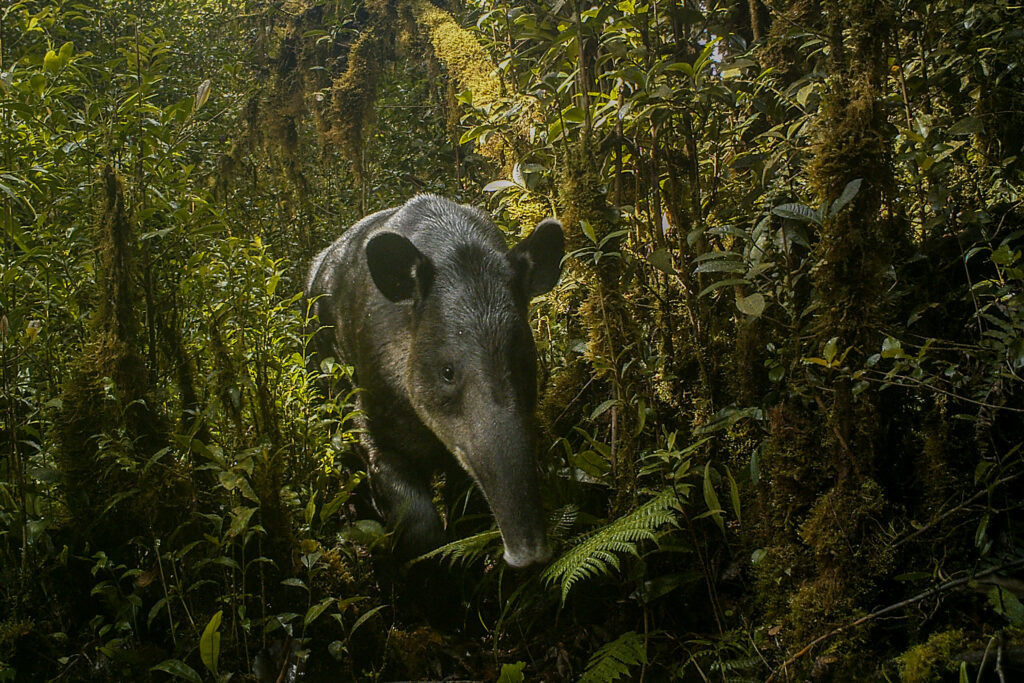
In honor of International Tapir Day, we’re proud to share a guest blog written by our partners at the Baird’s Tapir Survival Alliance (BTSA):
When we think about conservation, we often imagine something idyllic: vast forests, thriving wildlife, and calm, coordinated efforts behind the scenes. The reality is far more complex. Limited funding, heavy workloads, and deeply rooted institutional structures can make collaboration difficult, even when it’s exactly what’s needed most.
That’s precisely the challenge a group of scientists decided to confront. “We realized we were competing for the same grants, and that working in isolation was creating more problems than solutions,” says Esteban Brenes-Mora, one of the co-founders of the Baird’s Tapir Survival Alliance (BTSA) and Senior Mesoamerica Associate for Re:wild.
Today, the BTSA connects conservation efforts for the Baird’s tapir across Mesoamerica, from Mexico to Panama (with El Salvador as the one exception, where the species is now extinct). More than six years later, what started as a leap of faith has become a powerful example of what collaboration can achieve.
Each project within the alliance operates independently, responding to local realities. But the real strength lies in what they share: data, lessons learned, and strategies that can be adapted across borders. This exchange has not only improved conservation outcomes, but also strengthened fundraising efforts and built a more unified regional vision.
Why focus on tapirs?
Because they are quietly rewilding the forests we all depend on.
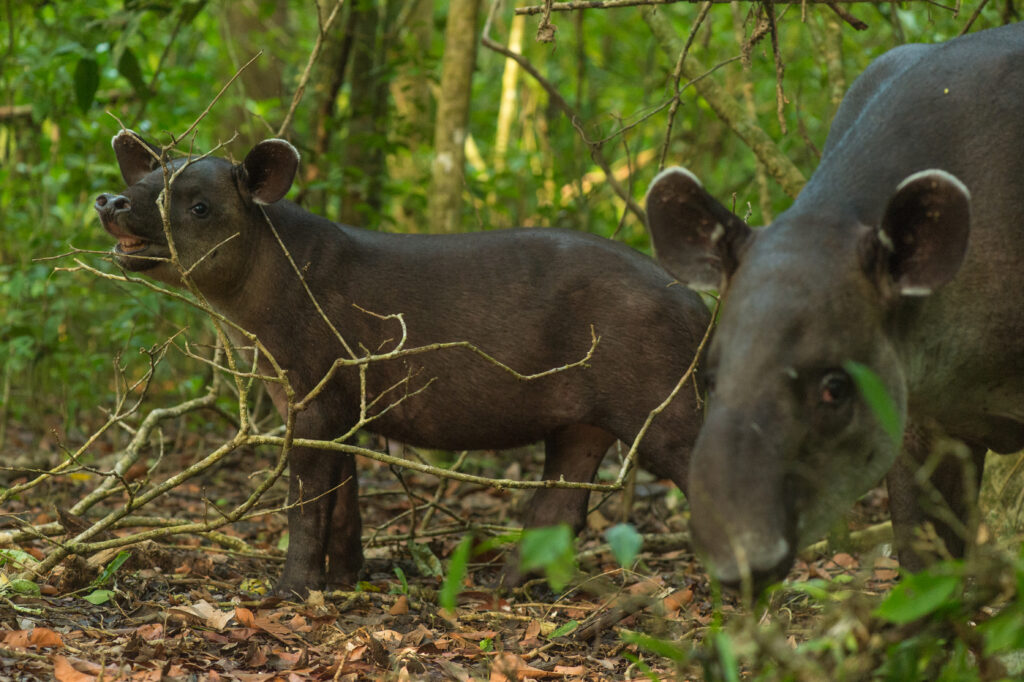
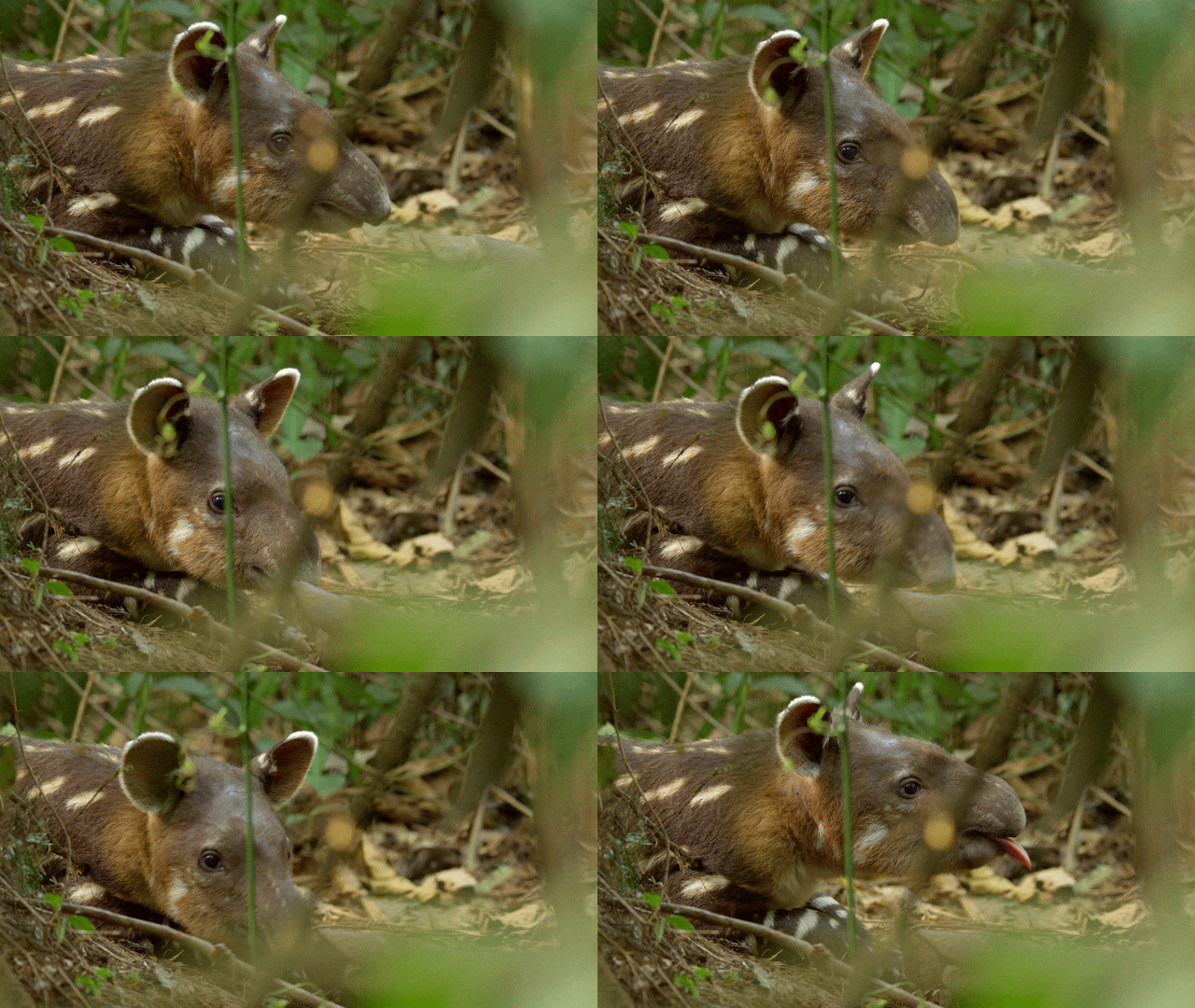
Known as “forest gardeners,” tapirs play a crucial role in regenerating ecosystems. By dispersing seeds through their feeding habits, they help forests recover and thrive. But despite their ecological importance, they face growing threats: habitat loss from deforestation (especially for cattle ranching), climate change, hunting, and road collisions.
Across the region, the BTSA is tackling these challenges from multiple angles:
- In Mexico: working with communities where tapir hunting was considered a cultural practice, co‑creating voluntary agreements and formal community contracts to pause hunting for a defined period.
- In Belize: reconnecting forests and reducing roadkill.
- In Nicaragua and Honduras: linking conservation with sustainable livelihoods and creating designated areas for tapir protection.
- In Costa Rica: promoting coexistence and restoring habitat connectivity.
- In Panama: strengthening community patrols to protect tapir habitat.
- Across several countries: tracking how climate change is reshaping ecosystems.
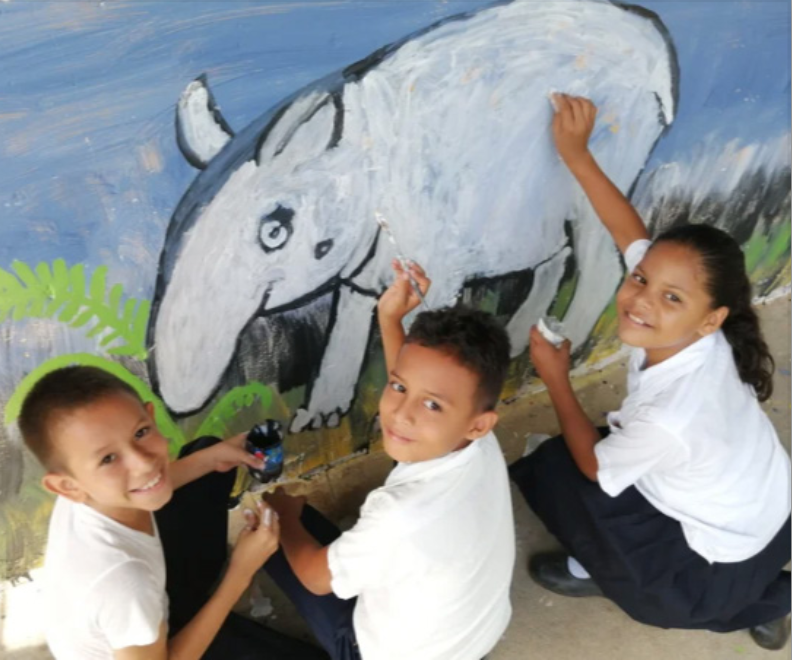
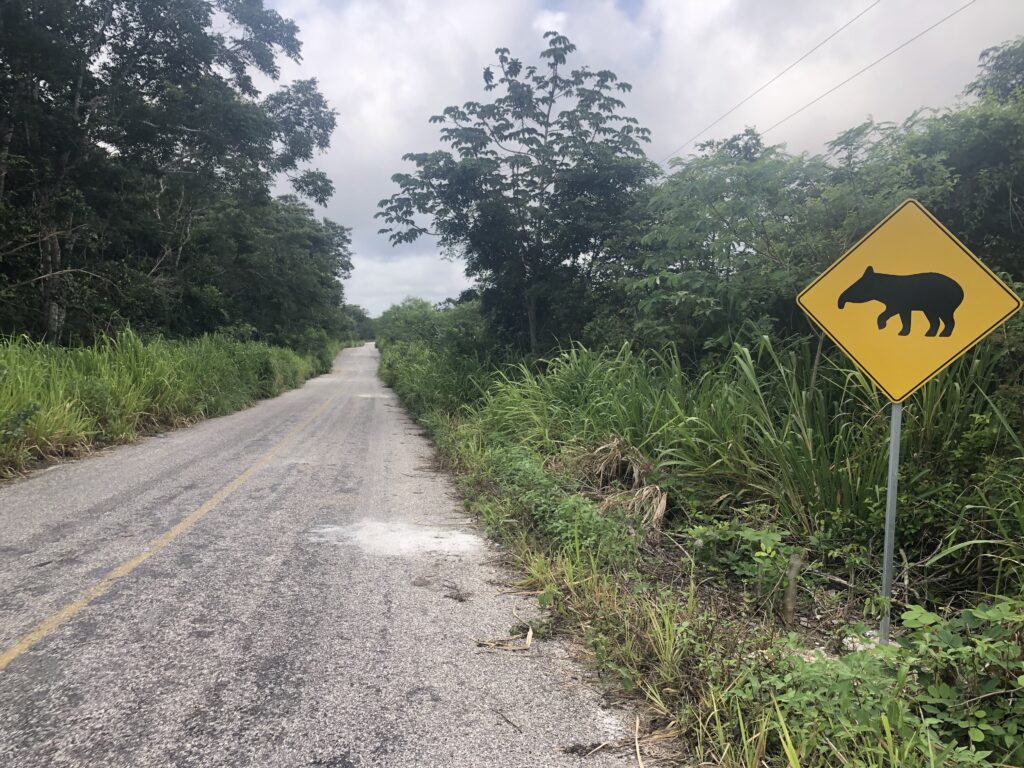
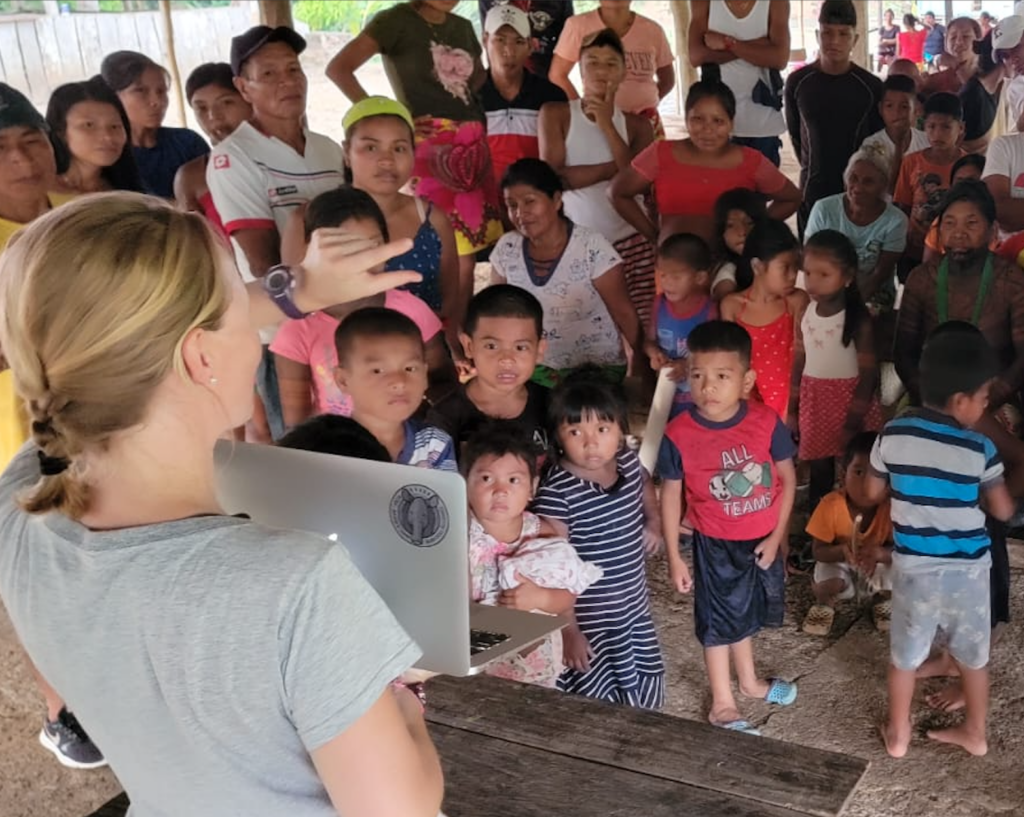
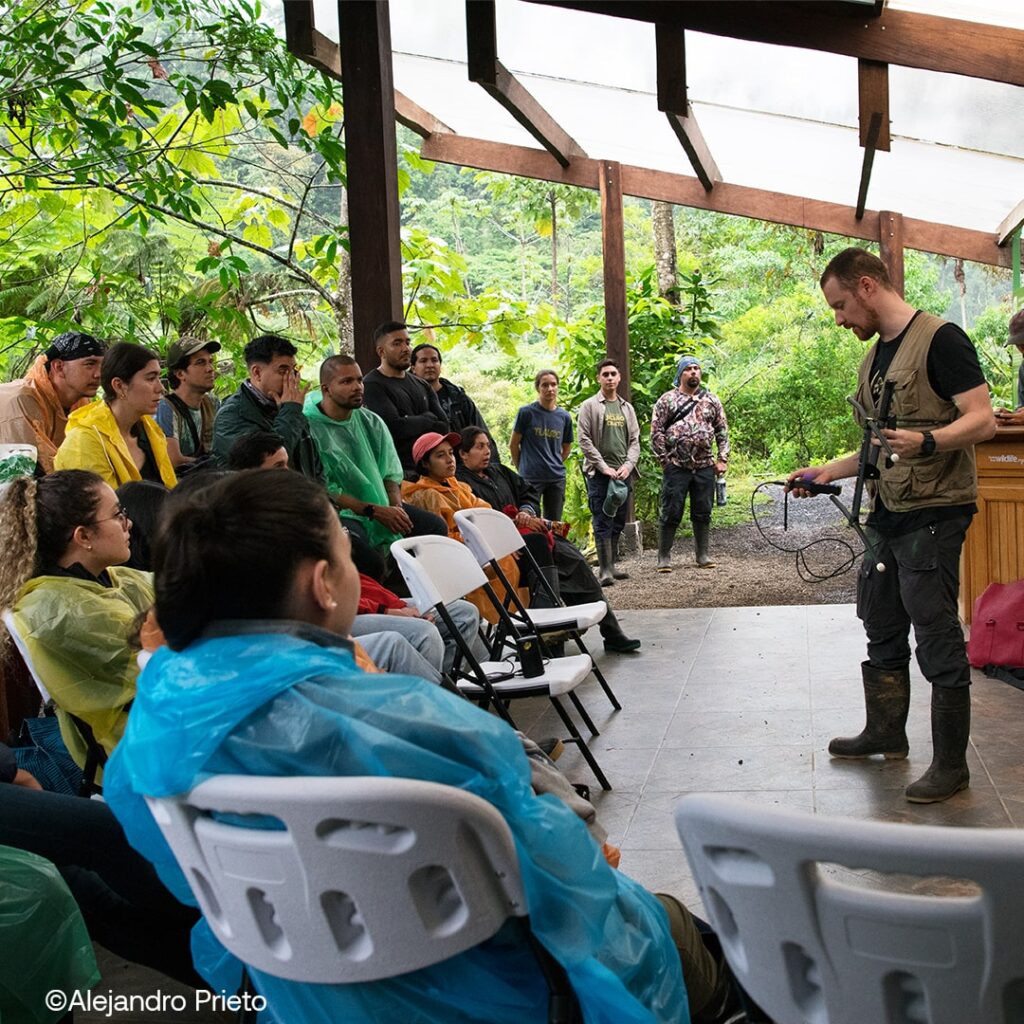
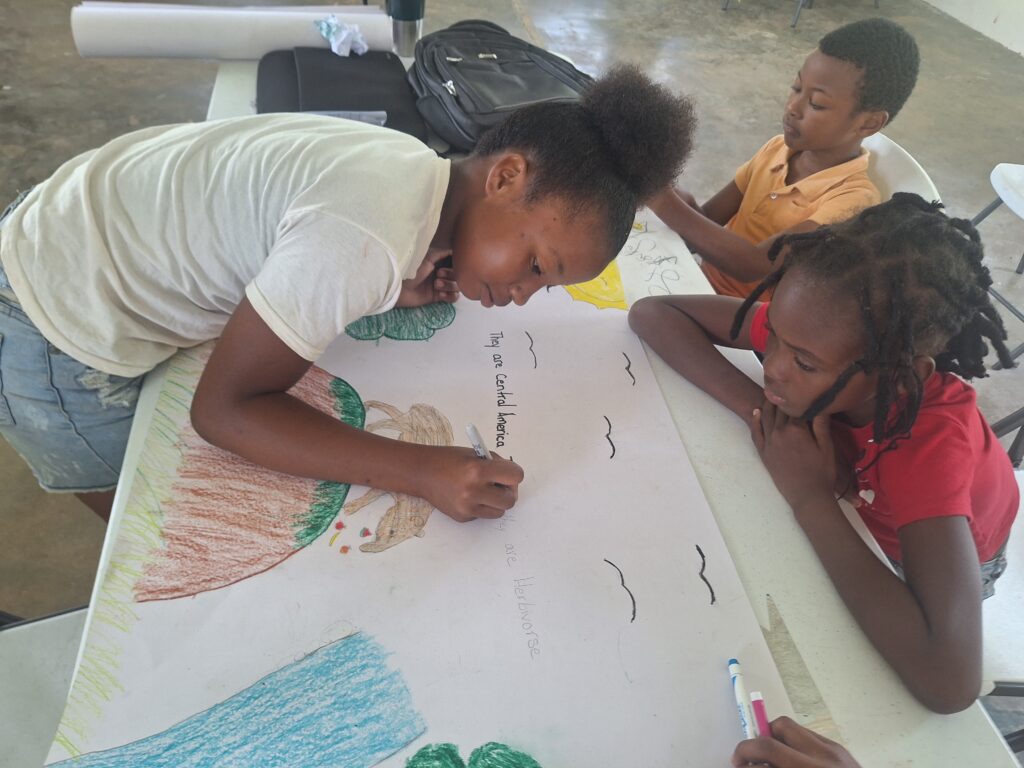
These efforts are already making a difference, as the alliance works toward a regional conservation assessment and the IUCN Green Status.
But beyond the data and projects, there’s a deeper lesson, one that feels especially relevant on World Tapir Day.
Nature itself is built on collaboration. No species can do everything. Jaguars can’t disperse seeds; tapirs can’t control prey populations. Ecosystems function because of shared roles.
Conservation is no different.
If tapirs could speak today, perhaps their message would be simple: give us a chance to help. Protecting them isn’t just about saving a species—it’s about preserving the systems that sustain life, including our own.
This work has been supported in recent years by partners like Zoo New England, whose contributions have helped strengthen conservation efforts across the region.