
As the sun sets across Massachusetts, a diverse group of nighttime wildlife begin to emerge. Massachusetts is home to nine bat species, five of which are listed as endangered and three as species of special concern. During the spring and summer months, bats can be found throughout Massachusetts, feeding, raising young, and playing important roles in local ecosystems. When winter arrives, many species retreat to cave-like habitats, such as abandoned mines, where they hibernate until warmer temperatures return.
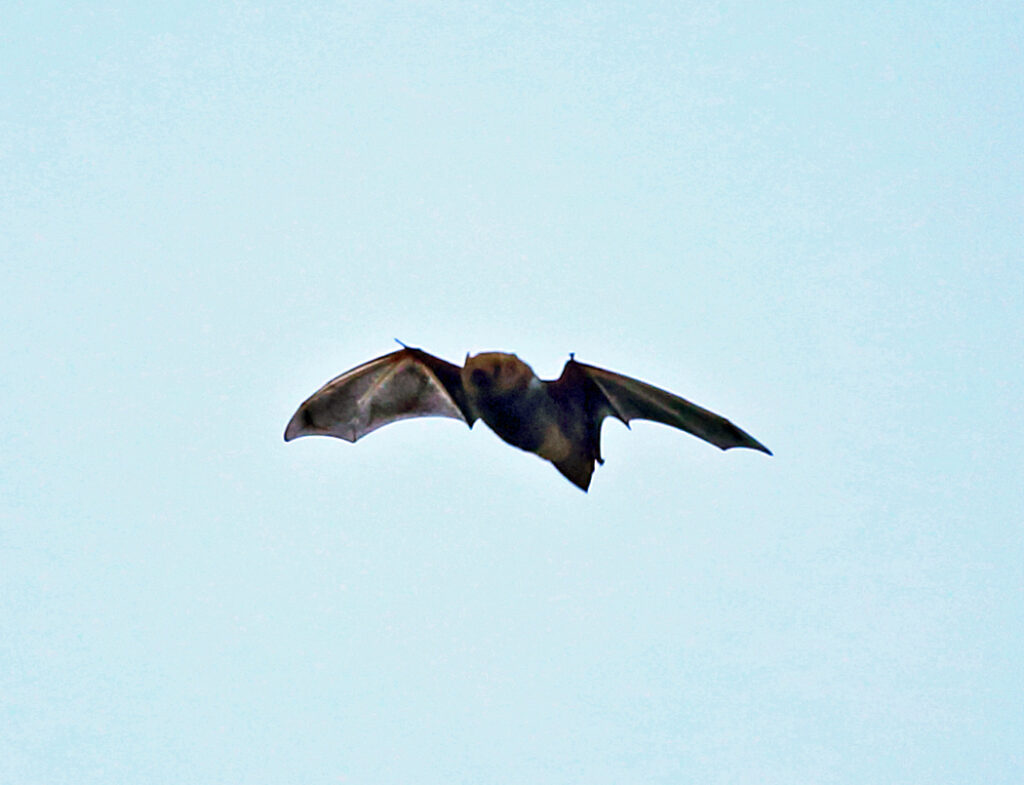
Though they are often overlooked, bats are essential to healthy ecosystems. A single bat can consume hundreds of insects in a single night, helping to naturally control insect populations. By reducing pests and supporting ecological balance, bats contribute to the health of forests, wetlands, and other natural communities. Without healthy bat populations, ecosystems can become disrupted, resulting in increases in insects that damage plants and spread disease.
Despite their importance, bats face a serious threat. White-nose Syndrome (WNS), a fungal disease first discovered in North America in 2006, has devastated hibernating bat populations across the continent. Named for the white fungal growth often seen on infected bats’ noses and wings, the disease causes its greatest damage to the wings, which are essential not only for flight but also for regulating body temperature, circulation, and water balance. During hibernation, infected bats wake up more frequently than normal, using up the fat reserves they depend on to survive the winter. Many ultimately starve before spring arrives. In Massachusetts, all four cave-hibernating bat species, the Little Brown Bat, Northern Long-eared Bat, Eastern Small-footed Bat, and Tricolored Bat, have experienced significant population declines due to White-nose Syndrome. The Little Brown Bat, once the state’s most common bat, has declined by more than 99%, underscoring the devastating impact this disease has had on bat populations throughout the region.
To give these vulnerable animals the best chance of survival, most bat hibernation sites in Massachusetts are closed to the public. While scientists continue searching for effective ways to combat White-nose Syndrome, there is currently no reliable method for treating or preventing the disease in wild populations. As a result, conservation efforts focus on protecting critical habitat, monitoring bat populations, and conducting research that may help secure a future for these remarkable nocturnal animals.
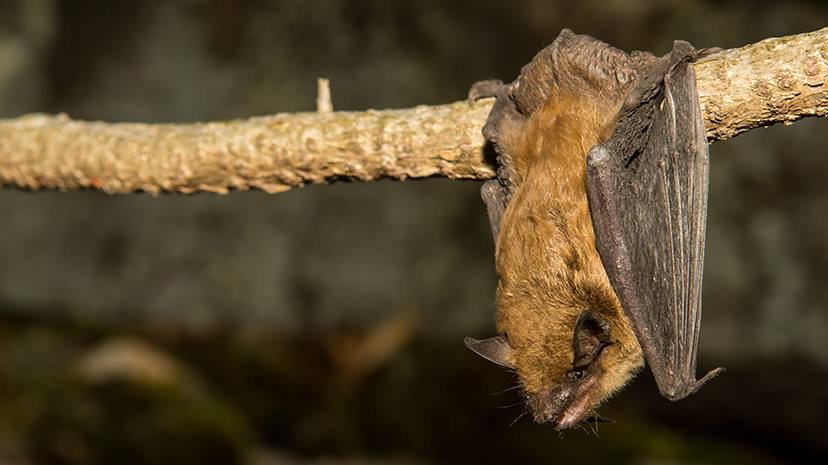
Our team has recently partnered with the Massachusetts Department of Conservation and Recreation (DCR) on a collaborative bat population monitoring project. Using specialized acoustic equipment, we can detect and record the high-frequency echolocation calls emitted by bats as they fly overhead. Because each bat species produces calls at unique frequencies, this technology allows us to identify which species are present at a site. By monitoring bat activity in areas that overlap with our other conservation projects, we hope to improve our understanding of local bat populations and help inform future conservation efforts across Massachusetts.
Leave a Reply